
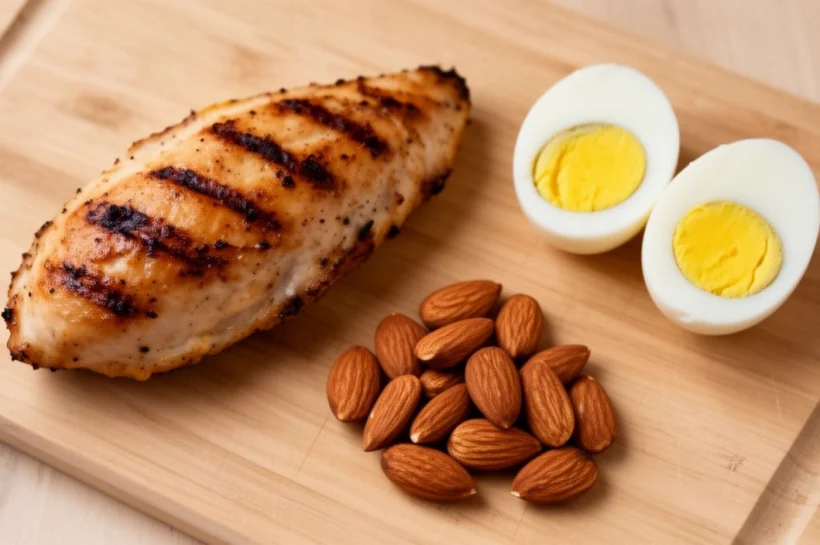
How Much Protein Do I Need? A Practical Guide by Age, Weight, and Activity
Learn how much protein you need daily based on age, weight, and activity, from the 0.8g/kg RDA baseline to 1.6g/kg for active individuals with practical food
Learn how much protein you need daily based on age, weight, and activity, from the 0.8g/kg RDA baseline to 1.6g/kg for active individuals with practical food

Chilling cooked potatoes forms resistant starch and can cut their glycemic index by about a third. The research, the numbers and a printable checklist.

Original Medicare or Medicare Advantage? Compare doctors, costs, 2026 premiums and caps, drug coverage and when you can switch, with a printable checklist.


Learn how much protein you need daily based on age, weight, and activity, from the 0.8g/kg RDA baseline to 1.6g/kg for active individuals with practical food
Chilling cooked potatoes forms resistant starch and can cut their glycemic index by about a third. The research, the numbers and a printable checklist.

Original Medicare or Medicare Advantage? Compare doctors, costs, 2026 premiums and caps, drug coverage and when you can switch, with a printable checklist.
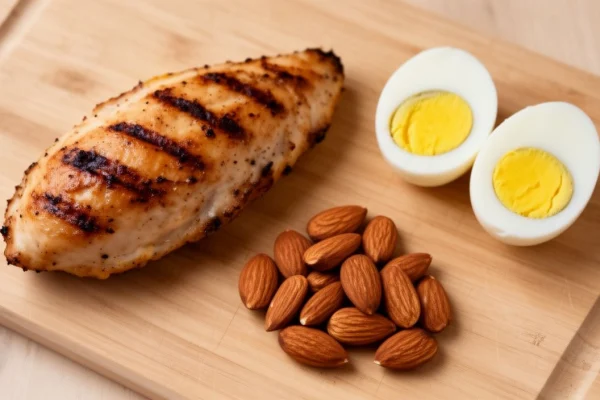
Learn how much protein you need daily based on age, weight, and activity, from the 0.8g/kg RDA baseline to 1.6g/kg for active individuals with practical food

Chilling cooked potatoes forms resistant starch and can cut their glycemic index by about a third. The research, the numbers and a printable checklist.

Original Medicare or Medicare Advantage? Compare doctors, costs, 2026 premiums and caps, drug coverage and when you can switch, with a printable checklist.

Anti-inflammatory foods like whole grains and leafy greens reduce chronic inflammation naturally

Chronic stress affects hormones like cortisol and adrenaline disrupting mood energy and sleep patterns in the body

Breathing techniques like box breathing and 4-7-8 method reduce cortisol levels and manage stress by activating the parasympathetic nervous system
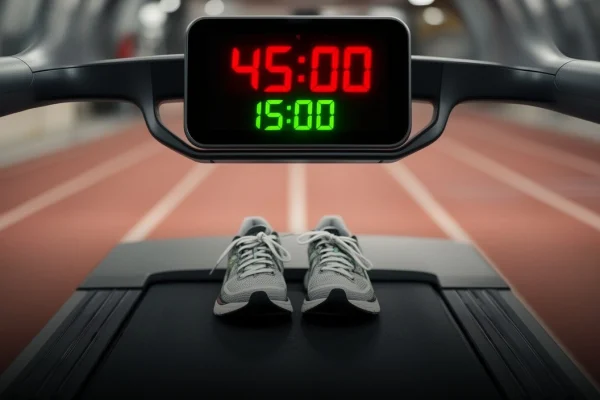
HIIT vs. LISS compared on fat loss, fitness, time and joint impact, with what the research shows and weekly cardio plans built on WHO and NHS guidelines.
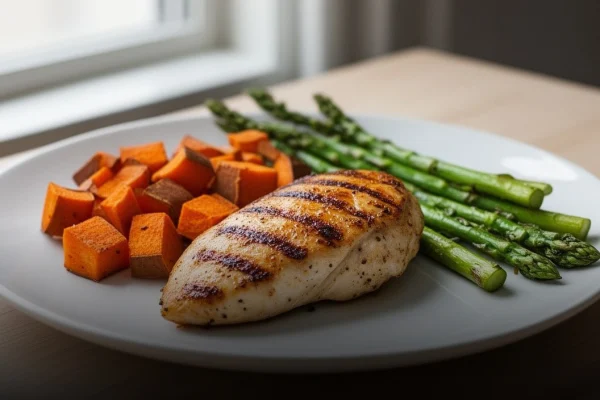
What to eat after a workout for fat loss or muscle gain: protein amounts, carbs, timing and meal ideas with nutrition figures, backed by research.

Emotional resilience helps you adapt to stress and recover from setbacks. See what the research shows and evidence-based ways to build it, day by day.

Discover evidence-based mental fitness routines to build emotional resilience and manage stress, distinguishing proactive training from general mental health


