Stress is your body’s natural reaction to a challenge, triggering a "fight-or-flight" response that temporarily increases your heart rate and muscle tension. While short bursts of stress are normal and even helpful, chronic stress keeps your body on high alert, which can lead to physical symptoms like headaches, digestive issues, and a weakened immune system. This guide explains exactly what happens inside your body when you are stressed and shares practical, research-backed ways to manage it.
What Happens in Your Brain When You Feel Stressed?
The physical experience of stress actually begins in the brain. When you encounter a perceived threat—whether it is a looming work deadline or a sudden argument—an area of the brain called the amygdala interprets the situation and sends a distress signal to the hypothalamus. The hypothalamus acts as your body’s command center, communicating with the rest of the nervous system to prepare you for action.
In response, the hypothalamus is “telling your adrenal glands to release the stress hormones adrenaline and cortisol”. Adrenaline increases your heart rate, elevates your blood pressure, and sends blood rushing to the muscles you need to react quickly. Meanwhile, cortisol raises blood sugar and enhances your brain’s use of glucose, giving you the immediate energy required to handle the challenge.
"A stressful situation… can trigger a cascade of stress hormones that produce well-orchestrated physiological changes." — Harvard Health Publishing
In short bursts, this biological sequence is a brilliant survival mechanism. Research also shows that these hormones are able to elicit biological effects on different parts of the central nervous system and play an important role in behavior and cognition, helping you stay sharp in a crisis. However, when the stressor doesn’t go away and your body stays in this heightened state, the same hormones that once protected you begin to work against your health.
How Chronic Stress Impacts Your Physical Health

AI illustration · Peachy Healthy
When the stress response keeps firing day after day, it takes a significant toll on nearly every system in your body. The physical warning signs can be subtle at first, making it easy to ignore them until they become overwhelming.
- Cardiovascular system: Your heart rate and blood pressure stay elevated. Over time, chronic stress contributes to high blood pressure and promotes the formation of artery-clogging deposits, increasing your long-term risk for heart disease.
- Musculoskeletal system: Muscles naturally tense up to guard against injury during a stressful event. However, “when muscles are taut and tense for long periods of time, this may trigger other reactions of the body and even promote stress-related disorders”, such as chronic tension headaches, migraines, and persistent neck or lower back pain.
- Immune and digestive systems: Prolonged exposure to stress hormones compromises the immune system, making you more likely to catch seasonal colds and recover slowly from minor illnesses. It also frequently causes “digestive issues such as nausea, bloating, or changes in appetite”, as the gut and brain are deeply connected.
What Are the Different Types of Stress?

AI illustration · Peachy Healthy
Not all stress is created equal. Understanding the specific type of stress you are experiencing is the first step in managing it effectively. Researchers generally categorize stress into three main types based on how long it lasts and how frequently it occurs.
| Type of Stress | Duration | Common Triggers | Physical & Mental Effects |
|---|---|---|---|
| Acute Stress | Short-term | Meeting a deadline, a brief argument, a sudden scare | Racing heart, sweaty palms, temporary muscle tension that releases once the event passes. |
| Episodic Acute Stress | Frequent, recurring | Constantly worrying, overcommitting, always rushing | Irritability, persistent anxiety, frequent tension headaches, and ongoing digestive issues. |
| Chronic Stress | Long-term, unrelenting | Ongoing financial problems, toxic work environment, relationship struggles | Prolonged cortisol elevation, weakened immune system, high blood pressure, and cognitive fatigue. |
Chronic stress is the most harmful of the three because the body never gets the biological signal to return to a relaxed, baseline state.
How to Recognize the Warning Signs of Stress
AI illustration · Peachy Healthy
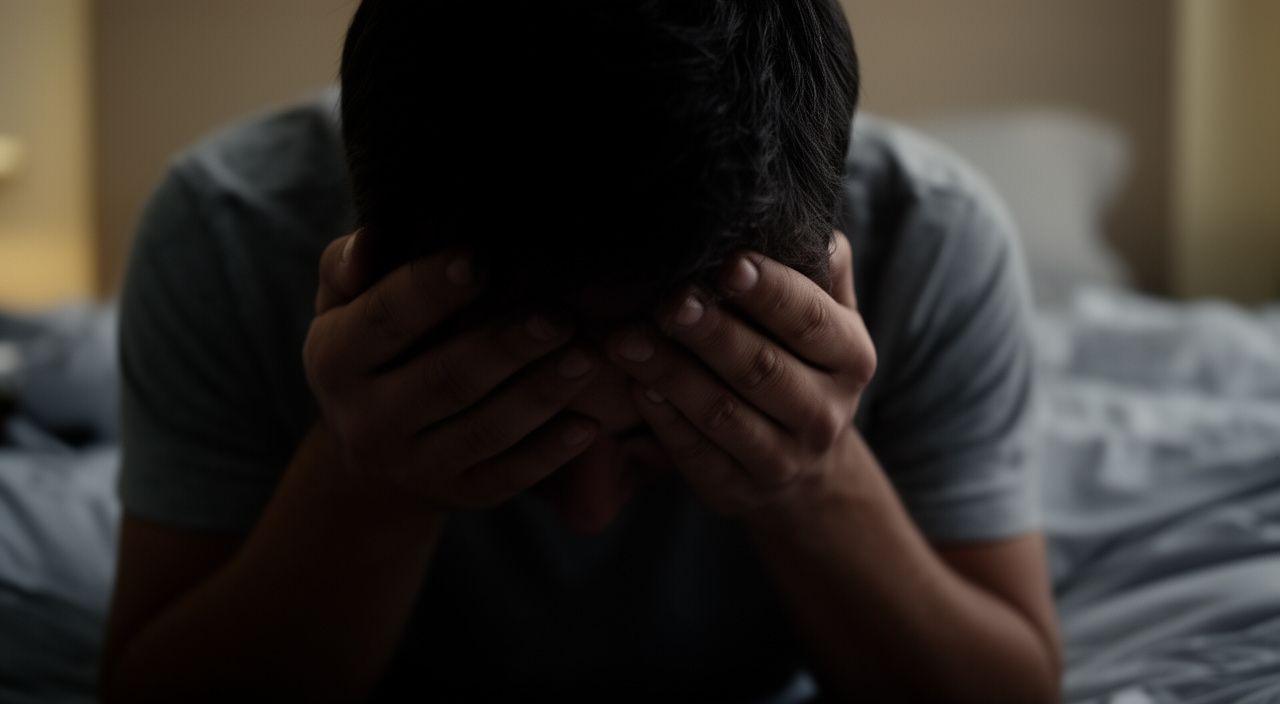
Because stress can become a constant background condition, it is incredibly easy to miss the physical warning signs. You might blame sickness for that annoying headache, your sleeping troubles, feeling unwell or your lack of focus, without realizing that stress is the actual root cause.
The Mayo Clinic warns that stress that’s not dealt with can lead to many health problems, such as high blood pressure, heart disease, stroke, obesity and diabetes. To catch stress early, watch for these common indicators across three categories:
- Physical signs: Headaches, muscle tension, chest pain, fatigue, stomach upset, and getting sick more easily than usual.
- Mood changes: Anxiety, restlessness, lack of motivation, feeling overwhelmed, sadness, or sudden irritability.
- Behavioral shifts: Overeating or undereating, craving sugary or fatty "comfort" foods, angry outbursts, withdrawing from friends, exercising less, or using alcohol and tobacco to cope.
If you notice these signs creeping into your daily life, it is a clear signal that your nervous system needs a break. And if stress has you reaching for sweets, our guide to hidden sugars shows where they turn up and how to cut back.
Practical Ways to Fight Back and Manage Stress
Managing stress is not about eliminating it entirely; a life completely free of pressure would lack motivation and growth. The goal is to give your body the tools to return to a calm state after a challenge. Here are practical, evidence-based steps you can take to protect your health.
Choose active coping over idle distractions
Reaching for the remote or scrolling on your phone might feel relaxing in the moment, but idle ways to manage stress can actually make your anxiety go up over time. Aim for active ways to manage your stress, like taking a brisk walk, practicing deep breathing, or doing a light home workout. Physical activity helps metabolize the excess stress hormones circulating in your bloodstream.
Release physical tension intentionally
Since chronic stress keeps your muscles in a state of guardedness, intentional relaxation is key. Progressive muscle relaxation, gentle stretching, or yoga can effectively reduce muscle tension and improve your daily function and mood. Taking five minutes to consciously relax your shoulders and unclench your jaw can signal to your brain that the immediate "threat" has passed.
Protect your sleep and daily routines
Chronic stress reshapes brain function over time, particularly in areas responsible for memory, decision-making, and emotional regulation. Prioritizing a consistent sleep schedule helps your nervous system reset and lowers baseline cortisol levels. Try to keep your bedroom cool, dark, and free of screens for at least an hour before bed. Our sleep hygiene guide covers the habits that make a regular schedule easier to keep.
Know when to seek professional support
If you have taken steps to control your stress but keep having symptoms, or if you feel entirely overwhelmed, it is time to see a healthcare provider. A counselor or therapist can help you identify your specific stressors and learn new, personalized coping tools.
Important medical note: Always get emergency help right away if you experience severe chest pain, especially if it is accompanied by shortness of breath, jaw or arm pain, sweating, or dizziness. These can be warning signs of a heart attack rather than just stress symptoms.
Your Daily Stress-Relief Checklist
- Move your body: Aim for at least 20 minutes of light to moderate activity to burn off excess adrenaline.
- Check your posture: Consciously drop your shoulders, unclench your jaw, and take three deep belly breaths.
- Limit idle scrolling: Replace 15 minutes of passive screen time with an active hobby, reading, or a short walk.
- Protect your wind-down: Set a firm cutoff time for work emails and news consumption at least one hour before sleep.
Frequently asked questions
What are some physical symptoms of stress?
Physical symptoms commonly include headaches, muscle tension or pain (especially in the neck and shoulders), fatigue, stomach upset, and a weakened immune system that makes you catch colds more easily.
What body parts hold the most stress?
Tension and tightness in your neck and shoulders are common physical signs of stress and anxiety, and that tightness can bring on tension headaches.
How to overcome stress?
Overcoming stress involves a mix of active coping strategies like regular exercise, deep breathing, and maintaining a consistent sleep routine, alongside seeking support from a healthcare provider or therapist if your symptoms persist or interfere with your daily life.