The short answer to how much protein you need is 0.8 grams per kilogram of body weight for a sedentary adult, scaling up to 1.6 grams per kilogram for those who exercise regularly. This guide breaks down the exact daily protein requirements based on your age, weight, and activity level, alongside practical food examples to help you hit your targets.
What is the baseline daily protein requirement for healthy adults?
The Recommended Dietary Allowance (RDA) sets the baseline protein requirement for healthy adults at 0.8 grams per kilogram of body weight, or 0.36 grams per pound. This minimum amount prevents deficiency and supports basic bodily functions, ensuring your body has the essential amino acids required for daily cellular maintenance and repair.
Think of protein as the body’s primary construction material. It is broken down into amino acids that build and repair tissues, create enzymes, and support immune function. As Jonathan Long, PhD, an associate professor of pathology, explains, "Protein can take the form of your muscles, your hair, your skin — everything has protein in it".
While the RDA is a helpful baseline to prevent illness, it is not necessarily the optimal target for everyone. Your baseline daily protein intake might need to be higher depending on your daily movement, age, and overall health goals. The body cannot store protein for later use, so consuming a steady amount throughout the day is more effective than eating it all in one large meal.
How does your activity level change your daily protein needs?
AI illustration · Peachy Healthy
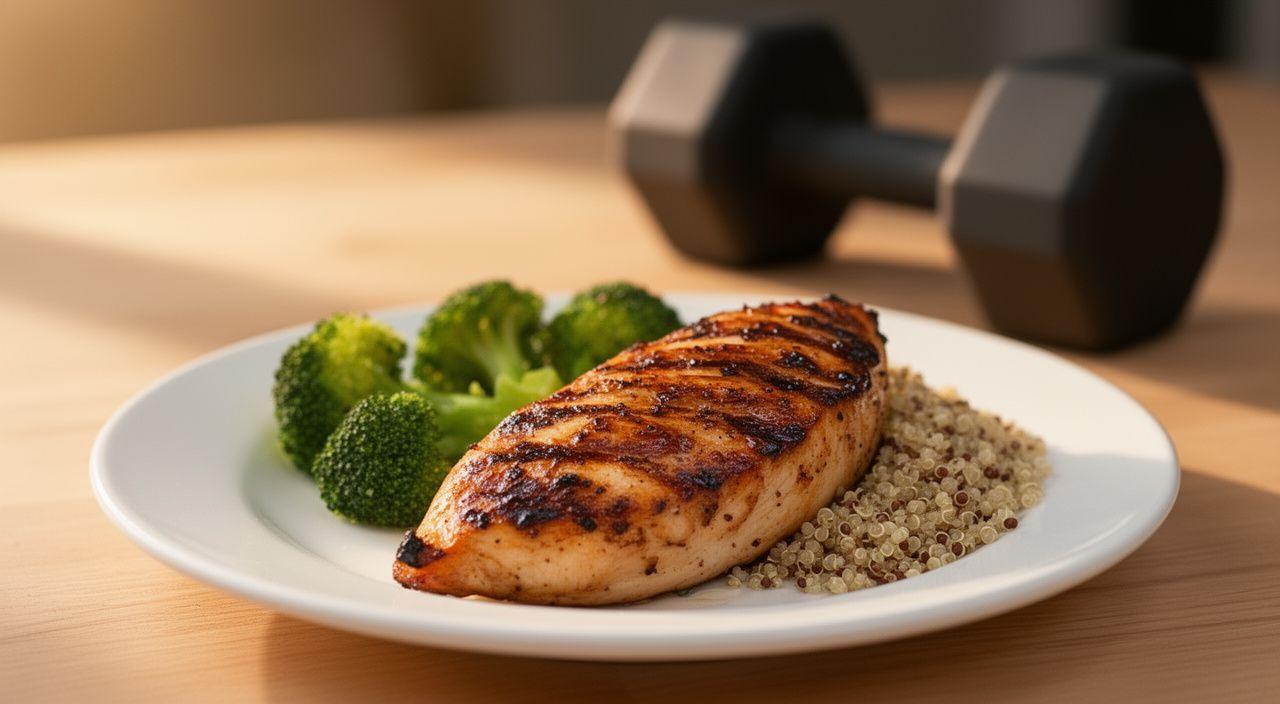
Your daily protein needs increase significantly if you exercise regularly, with active individuals requiring between 1.2 and 1.5 grams per kilogram of body weight to support muscle recovery. Serious athletes engaged in intense strength or endurance training may need up to 2.0 grams per kilogram to maximize muscle protein synthesis and repair tissue damage.
When you exercise, particularly during strength training or heavy cardio, you create microscopic tears in your muscle fibers. Dietary protein provides the nine essential amino acids that your body cannot make on its own, which are then used to repair and strengthen those fibers.
To properly optimize muscle recovery, it is also important to consider when you eat. Spacing your protein intake evenly across breakfast, lunch, and dinner helps your body utilize the amino acids more efficiently. Pairing your training with nutritious post-workout meals ensures your body has the building blocks it needs to adapt and grow stronger. However, remember that eating extra protein without the accompanying physical stimulus will not automatically build muscle.
Why do protein requirements increase as we get older?
Adults aged 65 and older should eat 1 to 1.2 grams of protein per kilogram of body weight to prevent weight loss. This higher intake counteracts the natural decline in muscle mass, helping older adults preserve their mobility, recover from illnesses, and maintain a healthy weight.
As we age, our bodies experience a phenomenon called anabolic resistance, meaning our muscles become less responsive to the protein we eat. Because the body is less efficient at turning dietary protein into new muscle tissue, older adults need a higher daily intake to achieve the same muscle-building effect as a younger person.
Prioritizing protein is one of the most effective ways to prevent age-related muscle loss and maintain independence. Combining this higher protein intake with regular resistance training, such as using resistance bands or following a guide to build muscle at home, creates a powerful synergy that protects your metabolic health and physical stability as you age.
What are the best food sources of complete and incomplete proteins?
Animal products, soy, quinoa, and buckwheat provide all nine essential amino acids, making them complete proteins. Other plant-based foods are incomplete proteins, meaning they lack one or more essential amino acids, but you can easily combine them throughout the day—like eating a peanut butter sandwich—to form a complete amino acid profile.
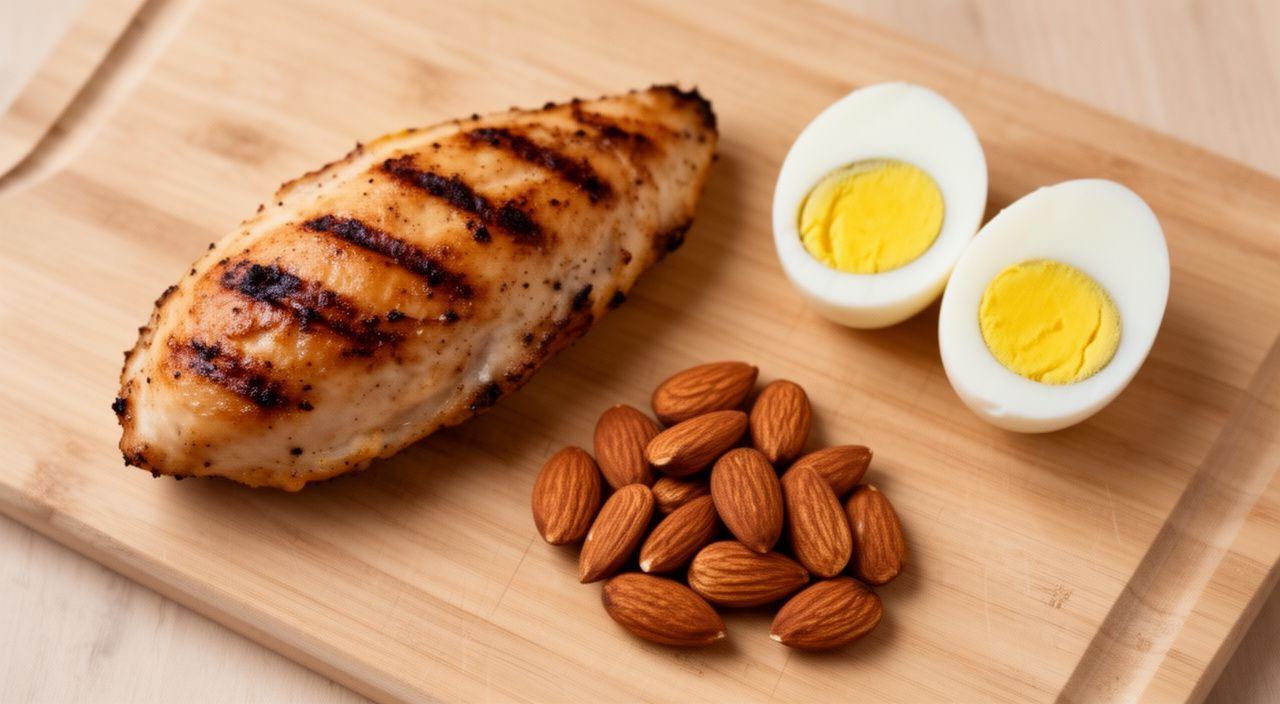
You do not need to rely solely on meat to meet your needs. Foods like eggs, dairy, fish, and poultry are excellent complete sources, but plant-based diets can easily cover your requirements if planned well. For instance, the British Heart Foundation says pulses such as beans, peas and lentils are good alternatives to meat because they are lower in fat and higher in fibre, and the British Nutrition Foundation notes that plant-based protein foods like beans and lentils are naturally low in saturated fat. Unsalted nuts count as a protein food too; they are high in fat, but most of it is the healthier unsaturated kind.
If you eat a plant-based diet, variety is your best tool. Eating a mix of whole grains, legumes, and seeds ensures you get all the essential building blocks. A classic example is how pairing whole grain bread with peanut butter helps form a complete protein by combining the limiting amino acids of each food. You do not need to combine them in the exact same meal, just throughout the day.
Can you eat too much protein, and what are the risks?
AI illustration · Peachy Healthy
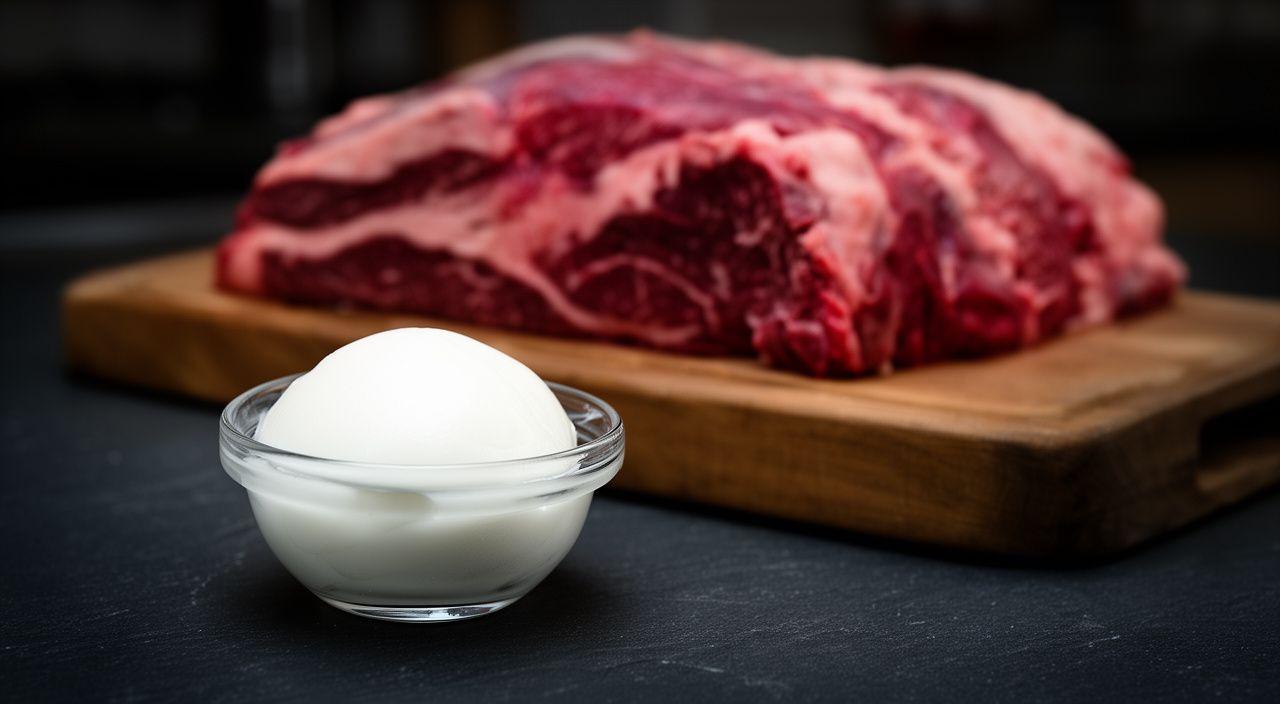
Excess protein consumed alongside excess calories increases lean mass (muscle) and is not simply converted into fat and stored. While most people easily meet their needs through a standard diet, consistently eating extremely high amounts of protein can tax the kidneys and increase intake of saturated fats.
We are currently in the midst of a "protein-maxxing" trend, where social media encourages maximizing protein at every opportunity. We have seen this cycle before: protein now has the kind of health halo that low-fat foods had in the 1990s.
While protein is vital, more is not always better. The body cannot store excess amino acids; once its needs are met, the extra calories are converted and stored as body fat. Furthermore, relying heavily on high-fat meats to hit massive protein targets can tax the kidneys over time and elevate blood lipids. Most adults in developed nations already meet or exceed their baseline needs without trying.
When should you consult a doctor about your protein intake?

AI illustration · Peachy Healthy
You should seek personalized medical advice if you are pregnant, managing chronic kidney disease, or undergoing treatments that significantly affect your muscle mass and weight. These specific health conditions alter how your body processes amino acids, meaning standard dietary guidelines may not apply and could potentially cause harm if followed blindly.
During pregnancy, protein needs increase substantially to support the growing baby. Experts recommend significantly higher daily amounts to support fetal tissue development and the expanding blood supply, but exact needs should be guided by your obstetrician.
Conversely, if you are looking to manage chronic kidney disease and are not on dialysis, your doctor will likely advise you to eat less protein than the standard recommendation to reduce the workload on your kidneys. Always consult a healthcare provider before making drastic changes to your macronutrient intake if you have an underlying health condition.
Quick-Reference Protein Calculator Table
Use this simple breakdown to estimate your daily target based on your current lifestyle and body weight.
| Your Category | Protein per kg of body weight | Protein per lb of body weight | Daily Example (for a 70kg / 154lb person) |
|---|---|---|---|
| Sedentary Adult | 0.8 grams | 0.36 grams | 56 grams |
| Active Adult | 1.2 – 1.5 grams | 0.55 – 0.68 grams | 84 – 105 grams |
| Older Adult (65+) | 1.0 – 1.2 grams | Not published | 70 – 84 grams |
| Serious Athlete | 1.6 – 2.0 grams | 0.73 – 0.90 grams | 112 – 140 grams |
Frequently asked questions
How do you calculate your protein needs?
Multiply your body weight in kilograms by your specific activity factor, which ranges from 0.8 for sedentary individuals up to 1.6 or higher for athletes. If you use pounds, multiply your weight by 0.36 for the baseline requirement, then adjust upward based on your daily exercise habits and fitness goals.
Is 100 g of protein a day a lot?
For an average-sized, moderately active adult, 100 grams of protein a day is a very reasonable and common target that supports muscle maintenance and satiety. However, for a petite, sedentary individual, this amount might exceed their basic needs, while a large, highly trained athlete might actually require more.
Is 30g of protein a day too little?
Yes, 30 grams of protein a day falls below the baseline Recommended Dietary Allowance for anyone weighing more than approximately 83.3 pounds, not 80 pounds, as the RDA is 0.36 grams per pound (80 pounds x 0.36 = 28.8 grams). Consistently eating this little protein can lead to muscle loss, weakened immunity, and poor recovery from daily physical activities.
Related articles