Neither High-Intensity Interval Training (HIIT) nor Low-Intensity Steady-State (LISS) cardio is universally better; the right choice depends on your available time, current fitness level, health and personal preferences. Both count toward the weekly activity health authorities recommend, and both can improve fitness. This guide breaks down the practical differences, what the research actually shows, and how to build a safe routine that fits your life.
What is the difference between HIIT and LISS?
HIIT alternates short bursts of hard effort with periods of rest or easy recovery, while LISS means holding one steady, comfortable pace for a longer, continuous stretch. The NHS describes this kind of very vigorous activity as exercises performed in short bursts of maximum effort broken up with rest, and notes it is also known as HIIT.
A simple way to tell the two apart is the talk test. According to the CDC, a person doing moderate-intensity activity can talk, but not sing, while someone working at vigorous intensity cannot say more than a few words without pausing for breath. LISS lives in that conversational zone. The work intervals of HIIT should feel well beyond it.
Common examples of each:
HIIT
- Sprinting for 30 seconds, then walking for 1 minute
- 20 seconds of jump squats, then 10 seconds of rest
- 40 seconds of burpees, then 20 seconds of rest
- Hard cycling intervals on a stationary bike with easy pedaling in between
LISS
- Brisk walking (the CDC counts walking at 2.5 miles per hour or faster as moderate intensity)
- Cycling on flat ground at an easy, steady pace
- Swimming at a relaxed pace
- Light jogging or incline treadmill walking
Here is how the two methods compare in practice:
| Feature | HIIT | LISS |
|---|---|---|
| Typical session length | 10–30 minutes, including warm-up | 30–60 minutes |
| Intensity | Hard bursts with recovery between | Low to moderate, steady |
| Talk test | Only a few words during work intervals | Can hold a conversation |
| Calories per minute | Higher during the work intervals | Lower, but sessions run longer |
| Effect on fat loss | Similar to LISS in most studies | Similar to HIIT in most studies |
| Recovery demands | Higher | Lower |
| Beginner-friendly | Needs modifying | Yes |
Which is better for weight loss and metabolic health?

AI illustration · Peachy Healthy
For fat loss, the research points to a near tie: when HIIT and steady cardio are compared directly, they produce similar results. A 2017 meta-analysis of 31 studies in Obesity Reviews found no differences between interval training and moderate continuous training for any body fat outcome. It also noted that interval programs were not necessarily more time-efficient for fat loss, and that neither approach produced clinically meaningful fat loss over the short study periods.
A larger 2021 meta-analysis that pooled 54 studies reached the same conclusion: the pattern of intensity has minimal influence on changes in fat mass and fat-free mass. In other words, neither style has a special advantage for losing fat or keeping lean tissue.
What about the "afterburn" effect?
HIIT is often said to keep your metabolism raised for hours afterward. That effect, called excess post-exercise oxygen consumption (EPOC), is real but small. A review in the Journal of Sports Sciences found that even after demanding sessions, EPOC made up only 6–15% of the net oxygen cost of the exercise. The authors concluded that the early optimism about EPOC’s role in weight loss is "generally unfounded," and that most of exercise’s effect on body weight comes from the energy you burn during the workout itself.
Where HIIT does stand out
Cardiorespiratory fitness is where intervals have a measurable edge:
- Aerobic fitness: In a meta-analysis of 28 trials in healthy adults aged 18–45, both styles produced large gains in VO2max, the standard measure of aerobic fitness, but the gains were greater following HIIT. The extra benefit was small.
- People with lifestyle-related conditions: In patients with conditions such as coronary artery disease, heart failure, hypertension, metabolic syndrome and obesity, HIIT increased cardiorespiratory fitness by almost double that of moderate continuous training. These were supervised programs.
- Blood sugar: A meta-analysis of 50 studies found HIIT reduced insulin resistance more than continuous training, and that it appears effective at improving metabolic health, particularly in those at risk of or with type 2 diabetes. The authors called for longer trials to confirm this.
- Time: In one small 12-week study of sedentary men, three 10-minute sessions a week containing just 1 minute of all-out cycling improved cardiometabolic health to the same extent as 50-minute steady sessions. It is a single study of 25 people, so treat it as encouraging rather than definitive.
Where it’s a draw
Blood pressure is a good example of the two styles working equally well. In adults with elevated blood pressure, HIIT and moderate continuous training provided comparable reductions in resting blood pressure.
The practical takeaway: for weight and blood pressure, the best cardio is the one you will keep doing. Choose HIIT if you want the biggest fitness gain per minute, and LISS if you want something you can repeat often without feeling drained.
How do you choose the right cardio for your lifestyle?
AI illustration · Peachy Healthy
Choose based on your schedule, your current fitness and how your body handles hard effort. Neither style is wrong; each suits different people and different weeks.
HIIT may suit you if you:
- Have limited time but want to improve aerobic fitness
- Already exercise regularly and are comfortable with hard effort
- Want to improve athletic performance
- Enjoy fast-paced, varied workouts
LISS may suit you if you:
- Are new to exercise or returning after a long break
- Are coming back from an injury, or high-impact moves bother your joints
- Prefer workouts you can do while chatting, listening to a podcast or exploring outdoors
- Want activity you can repeat on most days
For most people, the best answer is not one or the other but both. LISS builds a base you can add to almost daily, and one or two interval sessions a week add an extra push for fitness.
How do you start HIIT or LISS safely?
Start below what you think you can do and build up gradually. The World Health Organization advises people who are not yet meeting the guidelines to start with small amounts of physical activity and gradually increase frequency, intensity and duration over time.
Starting LISS:
- Begin with 10–20 minute walks or easy bike rides and add a few minutes each week.
- Use the talk test: if you can’t speak in full sentences, slow down.
Starting HIIT:
- Get comfortable with steady cardio first, so the "easy" part of each interval feels easy.
- Warm up with a few minutes of light movement before your first hard interval and cool down afterward.
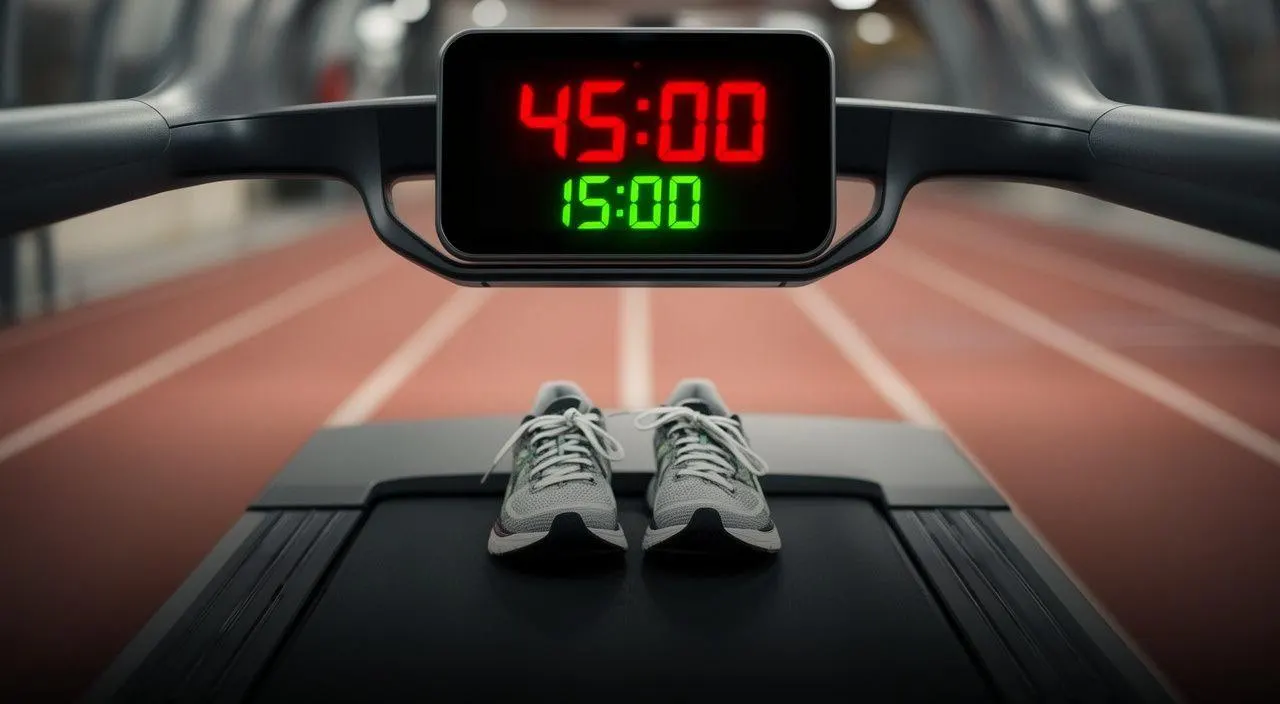
- Keep work intervals short and recovery generous. The American Council on Exercise suggests a 30:15 work-to-rest ratio is a safe place to start, working at about 4 to 6 on a 0-to-10 effort scale.
- Choose lower-impact options, like a stationary bike, rower or uphill walking, before jumping or sprinting.
- Prioritize form over speed. When form breaks down, the interval is over.
Form matters because injuries do happen. An analysis of US emergency department data found that injuries linked to exercises and equipment typical of HIIT programs, such as burpees, lunges, kettlebells and boxes, rose 144% between 2007–2011 and 2012–2016, most often in the knees and ankles. The study tracked a rise alongside HIIT’s popularity rather than proving HIIT causes more injuries, but it is a good reason to progress slowly.
When should you talk to a doctor first?
Exercise is safe for most people, and the American College of Sports Medicine has warned that unnecessary referrals can become a barrier to getting active. Its screening approach looks at three things: your current activity level, any signs or symptoms or known cardiovascular, metabolic or kidney disease, and the intensity you plan to exercise at.
Check with your doctor before starting HIIT if you have known heart, metabolic or kidney disease, if you get chest pain, unusual breathlessness, dizziness or fainting with exertion, or if you have been told to limit your activity. Having a heart condition does not automatically rule out intervals. In Norwegian cardiac rehabilitation centers, where 4,846 patients with coronary heart disease trained under supervision, the risk of a cardiovascular event was low after both high-intensity and moderate-intensity exercise. The key words there are cardiac rehabilitation setting: supervised, not solo.
Age alone isn’t a barrier either. Harvard Health notes that for older adults, adjusting intensity to current fitness levels helps keep HIIT safe and effective.
How can you combine HIIT and LISS in a weekly routine?
Build your week around the official targets, then decide how much of it is intervals. The WHO recommends adults get 150–300 minutes of moderate-intensity, or 75–150 minutes of vigorous-intensity activity, or an equivalent combination, per week, plus muscle-strengthening activities that work all major muscle groups on 2 or more days a week. The NHS suggests you spread exercise evenly over 4 to 5 days a week, or every day.
When counting HIIT toward the vigorous target, count only the minutes you are actually working hard, not the rest periods.
Beginner week (all LISS):
- Monday, Wednesday, Friday: 30-minute brisk walk
- Tuesday, Saturday: 30-minute easy bike ride or swim, plus 20 minutes of bodyweight strength exercises
- Thursday, Sunday: Rest or a gentle stroll
That adds up to 150 minutes of moderate activity and two strength days.
Mixed week:
- Monday: 20-minute HIIT session, warm-up and cool-down included (e.g., 30 seconds hard, 60 seconds easy)
- Tuesday: 45-minute LISS session (brisk walking or light cycling)
- Wednesday: Strength training
- Thursday: 25-minute HIIT session (e.g., bike or rower intervals)
- Friday: 45–60-minute LISS session (steady swimming, cycling or walking)
- Saturday: Strength training
- Sunday: 30-minute easy walk, or rest
The LISS days give 120–135 minutes of moderate activity. Because the guidelines treat 75 vigorous minutes as equal to 150 moderate ones, each hard minute in the two HIIT sessions counts roughly double, which takes the week past 150. Hard days are separated by easier ones.
Time-crunched week:
- Three days: 25 minutes of continuous vigorous cardio, such as jogging or running, swimming laps, or cycling faster than 10 miles per hour
- Two days: Strength training
That meets the 75-minute vigorous target. Remember that the WHO notes some physical activity is better than none, so a short week still counts.
Over 65? The WHO adds varied multicomponent physical activity that emphasizes functional balance and strength training on 3 or more days a week to help prevent falls. You can fold balance work into your strength days.
What are the most common HIIT and LISS mistakes?
The most common mistake is going too hard, too often. Others include:
- Doing HIIT every day. Hard sessions need easier days after them. If your legs feel heavy, your sleep slips or your performance drops, swap a HIIT day for LISS or rest.
- Calling a moderate workout "HIIT." If you can chat comfortably during the work intervals, they aren’t high intensity.
- Letting LISS drift too easy. A slow stroll is still better than sitting, but brisk walking is the moderate-intensity benchmark. Aim for a pace where talking is possible but singing isn’t.
- Skipping strength training. Cardio of either kind isn’t a substitute. The guidelines call for muscle strengthening on 2 or more days a week in addition to aerobic activity.
- Expecting the "afterburn" to do the work. EPOC is a small extra, not a fat-loss strategy.
- Sacrificing form for speed. Sloppy burpees and jump squats are where knees and ankles get hurt.
Frequently asked questions
Which type of cardio is better for me, HIIT or low-intensity cardio?
It depends on your schedule, fitness and health. If you’re short on time and already fairly active, HIIT gives a slightly larger boost to aerobic fitness per minute. If you’re new to exercise, recovering from injury or want joint-friendly workouts you can do often, LISS is the better starting point. Many people do best with a mix.
Which is better, HIIT or LISS, for burning calories and losing fat?
HIIT burns more calories per minute while you’re working hard, but LISS sessions usually last longer. When studies compare the two directly, fat loss is about the same. The afterburn effect from HIIT is small, so your total weekly activity and your diet matter far more than which style you pick.
How long should a HIIT session be?
There’s no single right length. Research protocols range widely; one study used 10-minute sessions with just 1 minute of all-out effort. Most people do well with 10–30 minutes including warm-up and cool-down. What matters most is that the work intervals are genuinely hard and the recovery is enough to let you repeat them with good form.
Can I do HIIT if I’m a beginner?
Yes, with modifications. Build a base with steady cardio first, then try short work intervals with generous recovery on a low-impact machine like a bike or rower. Keep the effort moderate at first and increase it gradually over several weeks.
Does LISS count toward my weekly exercise target?
Yes. Brisk walking, easy cycling and relaxed swimming all count as moderate-intensity activity, provided you’re working hard enough that you can talk but not sing. Adults should aim for at least 150 minutes a week.