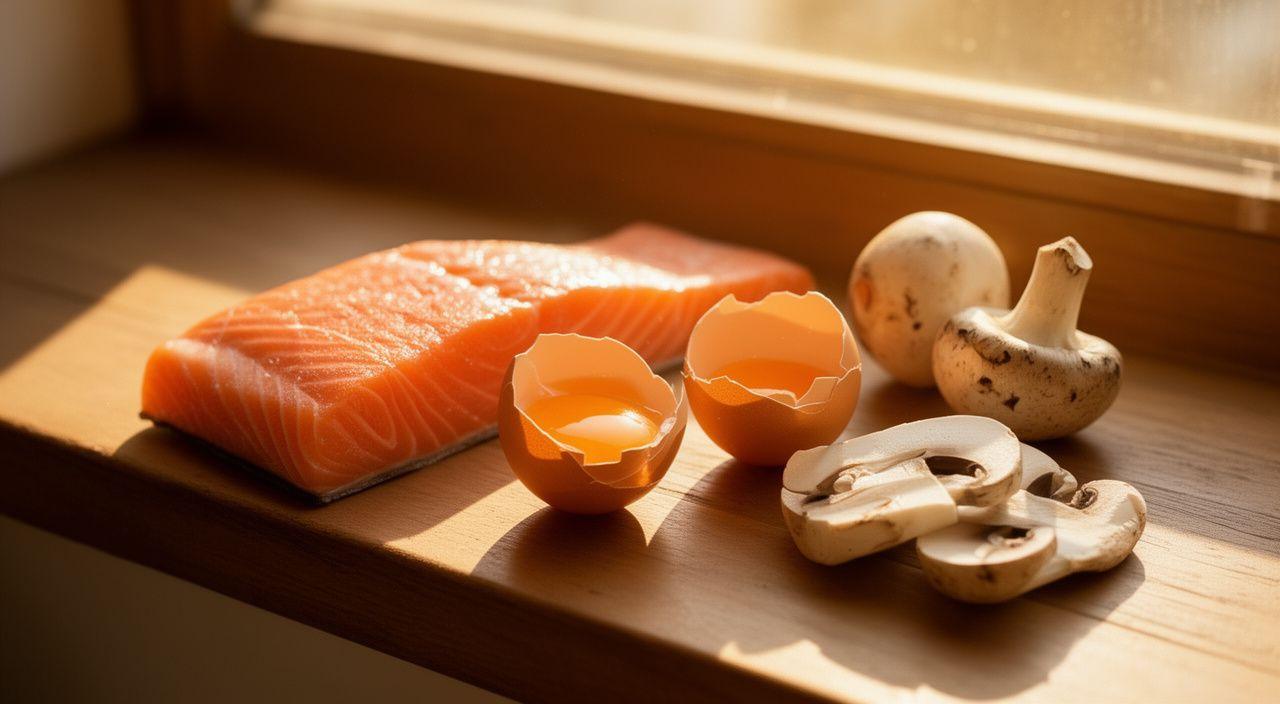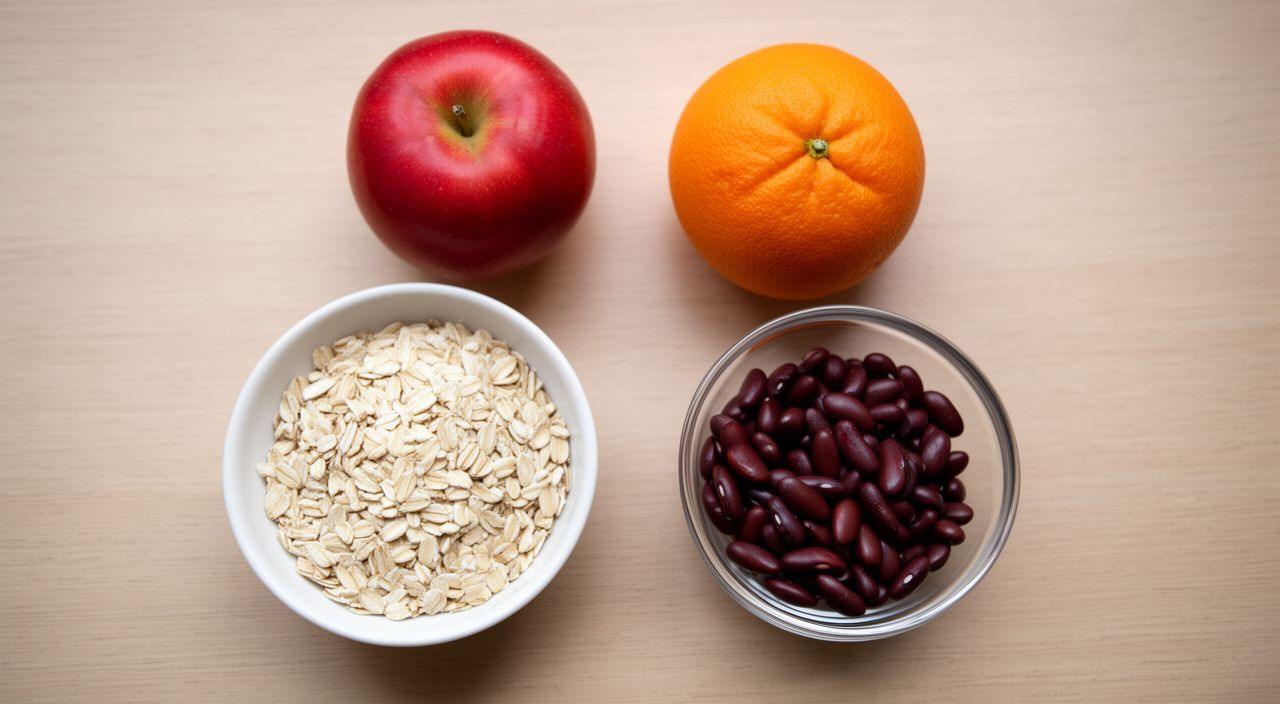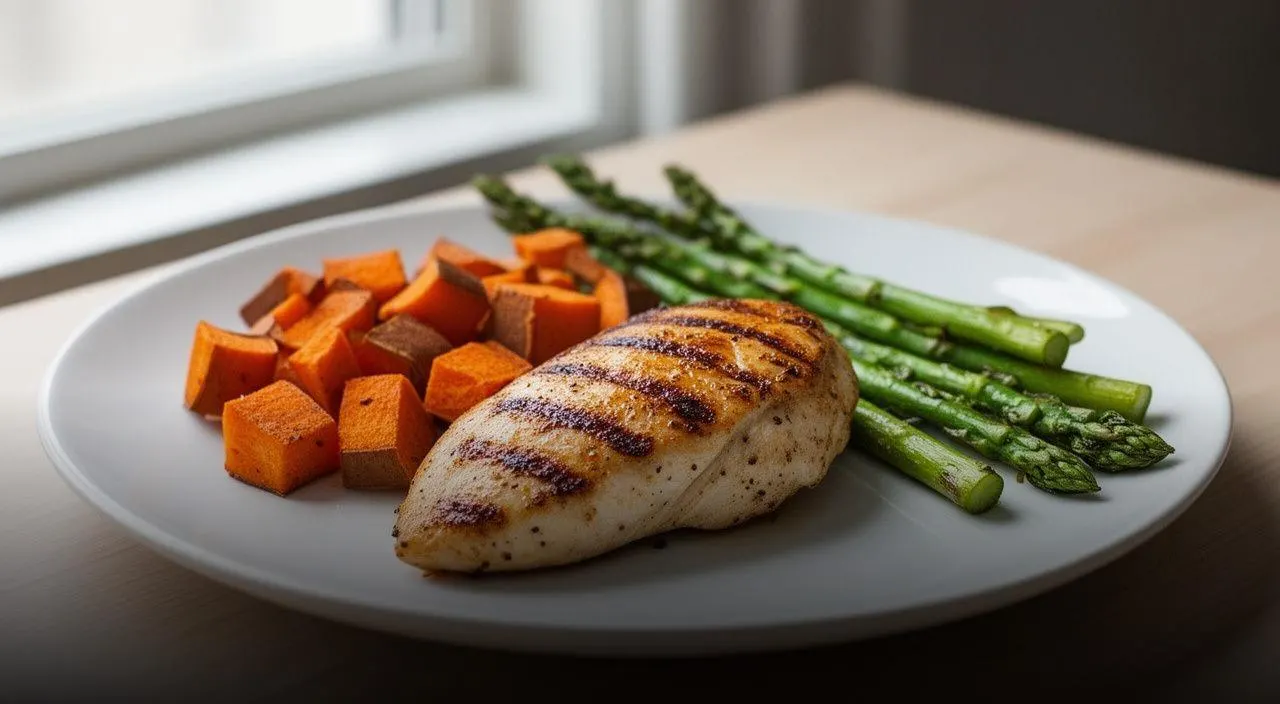
The best post-workout meal pairs a good serving of protein, roughly 20–40 grams, with some carbohydrate to refill energy stores. Whether you want to lose fat or build muscle, the meal looks similar. What changes is the portion size and your total calories for the day. Below: how much to eat, how soon, meal ideas with approximate numbers, vegetarian options, hydration and common mistakes.
What Should You Eat After a Workout to Lose Weight or Gain Muscle?
Eat a meal built around protein, with carbohydrate alongside it. Protein supplies the amino acids your body uses to repair and build muscle, and carbohydrate restocks the stored carbohydrate (glycogen) that training uses up.
For one meal, the International Society of Sports Nutrition (ISSN) recommends 0.25 g of high-quality protein per kg of body weight, or 20–40 g. For an 80 kg (176 lb) person, that is about 20 g at the low end. Each serving should ideally contain 700–3,000 mg of leucine, a key amino acid for muscle building.
Healthline’s examples of a good post-workout plate include oatmeal with protein powder and berries, or chicken or oily fish with vegetables.
How the goal changes the plate:
| Fat loss | Muscle gain | |
|---|---|---|
| Protein at the meal | 20–40 g, kept high | 20–40 g |
| Carbohydrate | Moderate; favor high-fiber choices like fruit, vegetables, oats, beans | Larger portions to support training and a calorie surplus |
| Fat | Some is fine; watch the calories | Some is fine |
| Daily calories | Slightly below maintenance | Slightly above maintenance |
How Much Protein Do You Need in a Day?
Most people who train regularly do well on about 1.4–2.0 g of protein per kg of body weight per day. That is the ISSN’s range for exercising individuals. A large meta-analysis of 49 trials found that gains in fat-free mass from resistance training leveled off at about 1.6 g/kg per day. Eating more than that brought no further benefit on average.
Fat loss is different. When you are in a calorie deficit, the ISSN notes that resistance-trained people may need 2.3–3.1 g/kg per day to hold on to lean mass.
The post-workout meal is just one protein serving; the ISSN suggests spreading them every 3–4 hours across the day.
If you have kidney disease, don’t raise your protein on your own. The National Kidney Foundation says a diet lower in protein is recommended for people with kidney disease who are not on dialysis, and it advises working with a kidney dietitian to set the right amount. Check with your doctor or a registered dietitian before starting a high-protein diet if you have any kidney condition.
How Soon Should You Eat After Exercising?
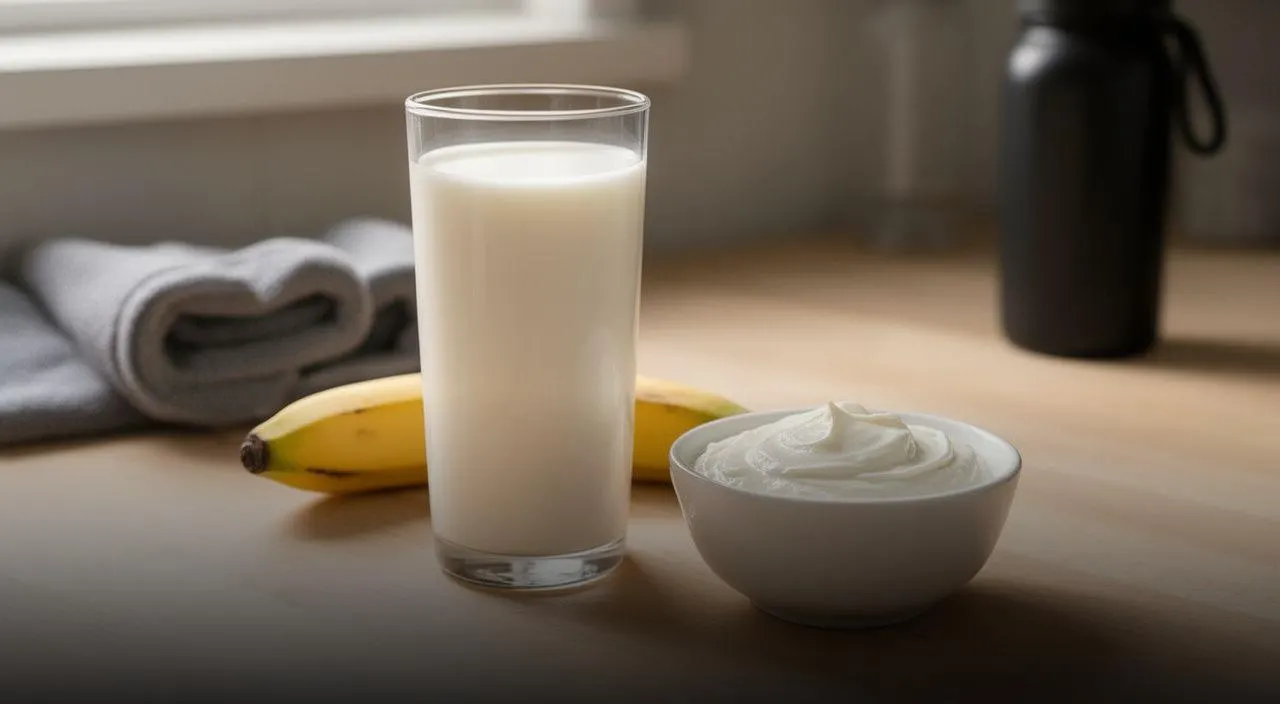
AI illustration · Peachy Healthy
Aim to eat within about two hours, but there is no need to rush the moment you finish your last rep. The ISSN’s position stand on nutrient timing says that eating high-quality protein anywhere from immediately to 2 hours after exercise stimulates robust increases in muscle protein synthesis.
A strict 30-minute "anabolic window" isn’t supported by the evidence. A 2013 review in the Journal of the International Society of Sports Nutrition concluded that support for a narrow "anabolic window of opportunity" is far from definitive. The ISSN protein position stand adds that the muscle-building effect of exercise lasts at least 24 hours, though it likely fades as time passes.
Your pre-workout meal changes how urgent this is:
- You ate a few hours before training: you have more flexibility. Aragon and Schoenfeld suggest keeping pre- and post-workout meals no more than about 3–4 hours apart, or 5–6 hours after a large mixed meal.
- You trained fasted: eat fairly soon. The ISSN notes that the size and timing of the pre-exercise meal affect how much post-exercise feeding matters.
- You train again within a few hours: carbohydrate timing matters more. For glycogen restoration in under 4 hours, the ISSN recommends about 1.2 g of carbohydrate per kg per hour, or 0.8 g/kg per hour plus 0.2–0.4 g/kg per hour of protein.
For most people training once a day, what you eat over the whole day matters more than the exact minute. The ISSN gives higher priority to the total amount of protein eaten during the day.
Your Post-Workout Recovery Checklist
- Rehydrate: start drinking water, and keep sipping over the next few hours (see the hydration section below).
- Get 20–40 g of protein: from food or a shake.
- Add carbohydrate to suit the session: more after long or intense training, or if you train again soon.
- Keep the overall meal in line with your calorie goal: smaller for fat loss, larger for muscle gain.
Do Carbs and Fat Matter in a Post-Workout Meal?
Yes, but less than protein for muscle building. Aragon and Schoenfeld point out that when protein intake is already ample, studies found that adding carbohydrate did not further increase muscle protein synthesis. For muscle gain, they conclude that your total daily carbohydrate intake likely matters more than when you eat it.
Carbohydrate still fuels your next session and refills glycogen, which matters most for endurance athletes and high training volumes. The ISSN’s figure of 8–12 g/kg per day for maximizing glycogen stores is aimed at those high-volume athletes, not someone doing three gym sessions a week.
Fat doesn’t need to be avoided after training. In one small study of milk after resistance exercise, uptake of threonine, a marker of net muscle building, was about 2.8 times higher after whole milk than after fat-free milk. A moderate amount of olive oil, avocado, nuts or salmon is fine; if you are cutting, just count its calories.
What Are the Best Post-Workout Meals to Burn Fat?
AI illustration · Peachy Healthy
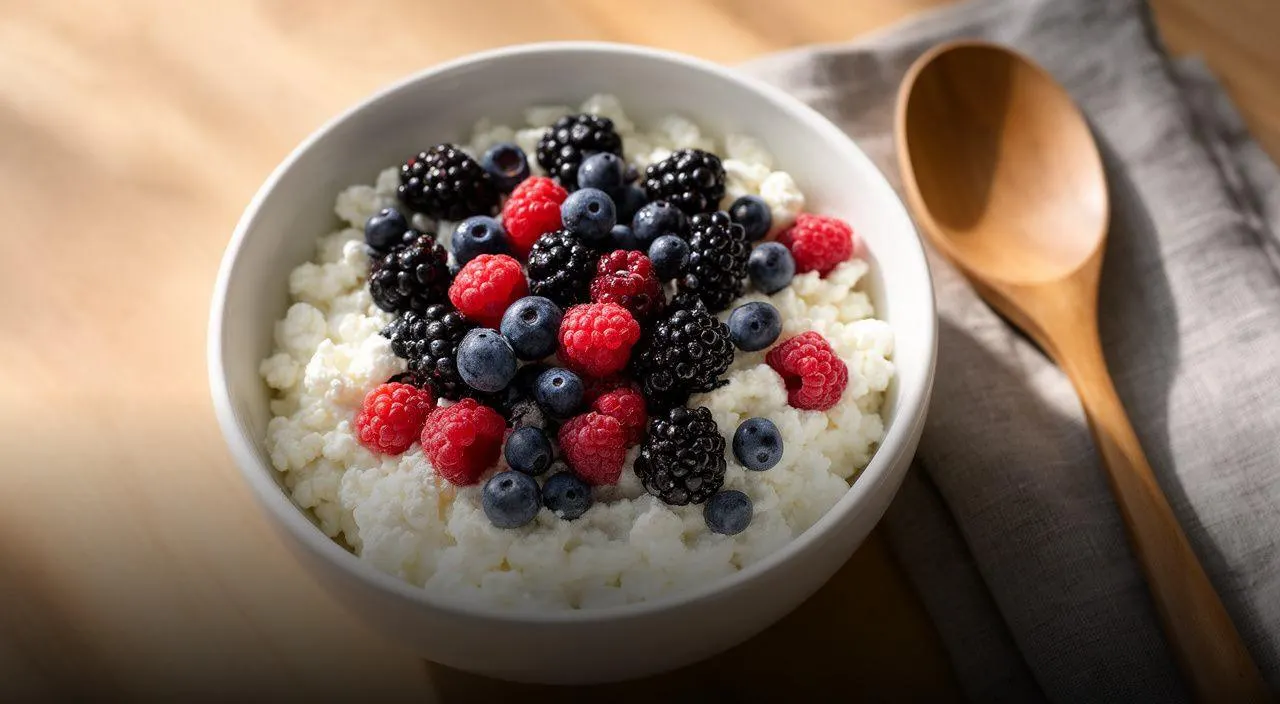
For fat loss, the best options give you plenty of protein for relatively few calories, plus fiber-rich carbohydrate to keep you full. Simple choices such as cottage cheese with berries, or berries with Greek yogurt fit this well.
Figures below are from USDA FoodData Central for the main foods only; fruit, vegetables and sauces add a little more.
| Meal idea | Main portions | Approx. protein | Approx. carbs |
|---|---|---|---|
| Cottage cheese with berries | 200 g low-fat (2%) cottage cheese | 21 g | 10 g, plus the fruit |
| Greek yogurt with berries | 200 g plain nonfat Greek yogurt | 19 g | 7 g, plus the fruit |
| Grilled chicken, broccoli and sweet potato | 120 g roasted chicken breast, 150 g baked sweet potato | 37 g + 3 g | about 31 g |
| Egg and vegetable plate with toast | 3 hard-boiled eggs (about 150 g) | 19 g | about 2 g, plus the toast |
Protein and carbohydrate figures in these tables are from the USDA’s FoodData Central database.
For scale, 120 g of roasted chicken breast has about 198 calories and 4 g of fat for its 37 g of protein.
More ideas for a cut:
- Tuna lettuce wraps with apple slices
- An egg-white omelet with spinach and a slice of whole-grain toast
- A whey shake with mixed berries
- A banana with peanut butter, as a small snack if your next meal is a while away
What Are the Best Post-Workout Meals for Muscle Gain?
To gain muscle, keep the protein at 20–40 g, eat bigger portions of carbohydrate, and make sure your total calories for the day are slightly above maintenance. Bigger servings of rice, potatoes, oats or bread are an easy way to add calories.
| Meal idea | Main portions | Approx. protein | Approx. carbs |
|---|---|---|---|
| Salmon and quinoa bowl | 120 g farmed salmon, 185 g (about 1 cup) cooked quinoa | 27 g + 8 g | about 39 g |
| Chicken, sweet potato and vegetables | 150 g roasted chicken breast, 250 g baked sweet potato | 47 g + 5 g | about 52 g |
Other options: a beef stir-fry with whole-grain noodles, oats with whey, banana and peanut butter, or eggs on toast with cottage cheese.
What Should I Eat to Burn Fat and Gain Muscle at the Same Time?
Eat the same kind of protein-centered meal, keep protein high every day, and run only a small calorie deficit or eat at maintenance. Losing fat while building muscle is often called "body recomposition." A 2020 review in the Strength and Conditioning Journal found a substantial amount of research showing it happens in resistance-trained people, not just in beginners. It named progressive resistance training and evidence-based nutrition as the key drivers.
In practice: keep lifting and add weight or reps over time, keep protein toward the top of the 1.4–2.0 g/kg range (higher in a real deficit), and judge progress over weeks, not days.
What Are Good Vegetarian and Vegan Post-Workout Meals?
Plant-based eaters can reach the same targets with a little planning. A 2021 review in Sports Medicine found that plant proteins generally produce lower muscle protein synthesis responses than the same amount of animal protein. It also noted that eating a larger amount of the plant protein, or mixing plant proteins for a more balanced amino acid profile, helps make up the difference.
| Meal idea | Main portions | Approx. protein | Approx. carbs |
|---|---|---|---|
| Lentil and sweet potato bowl with tahini | 200 g cooked lentils, 150 g baked sweet potato | 18 g + 3 g | about 40 g + 31 g |
| Tofu scramble with whole-grain toast | 150 g firm tofu (calcium-set) | 26 g | about 4 g, plus the toast |
| Quinoa and chickpea salad with avocado | 185 g cooked quinoa, plus chickpeas | 8 g, plus the chickpeas | about 39 g, plus the chickpeas |
| Soy or pea protein shake with berries and nut butter | One scoop | Check the label; brands vary | Depends on the fruit |
Combining foods is the simplest approach: tofu with grains, lentils with rice, or a shake alongside a meal. Vegetarians who eat dairy and eggs can also lean on Greek yogurt, cottage cheese and eggs.
How Much Should You Drink After a Workout?
For everyday training, normal meals plus enough water are usually all you need. If you sweat a lot, a simple guide is to drink about 1.5 liters of fluid for every kilogram of body weight lost. That figure comes from the German Nutrition Society’s sports nutrition working group, which recommends sipping it over a longer period rather than all at once.
Also from that paper:
- The easiest way to see how much you lost is to weigh yourself before and after exercise. Subtract anything you drank during the session.
- If you lost less than 5% of your body weight and won’t train again within 24 hours, normal meals and snacks with enough water are sufficient.
- After heavier sweat loss, or when your next session is less than 12 hours away, a more deliberate plan helps, and the fluid should come with sodium so your body holds on to it instead of passing it straight out.
Do You Need Supplements After a Workout?
No. The ISSN says active people can get their daily protein from whole foods. Two are worth knowing about:
- Protein powder (whey, or soy/pea): the ISSN calls it a practical way of ensuring adequate protein quality and quantity when you can’t fit in a meal.
- Creatine monohydrate: the ISSN’s creatine position stand describes it as the most effective nutritional supplement available for improving high-intensity exercise capacity and lean body mass. It found no compelling evidence of harm in healthy people.
If you have a medical condition, take regular medication, or are pregnant, check with your doctor or a registered dietitian before adding supplements.
What Post-Workout Mistakes Should You Avoid?
The biggest mistake is focusing on one meal and ignoring the rest of the day. Others:
- Panicking about a 30-minute window. Eating within a couple of hours is fine for most people, as long as daily protein is on target.
- Going too long without eating after fasted training. If you skipped breakfast before the gym, don’t also skip the meal afterward.
- Under-eating protein while dieting. A deficit is when protein matters most for keeping muscle.
- Turning the post-workout meal into a calorie bomb. Size it to your goal.
- Living on shakes. Whole foods bring fiber and other nutrients, and they are usually more filling.
- Forgetting about sleep. Adults are advised to get at least 7 hours a night.
Meal prep shortcut: cook chicken, tofu or lentils in bulk, and keep frozen vegetables, microwaveable rice and Greek yogurt on hand.
Frequently asked questions
What to eat after gym for muscle gain and fat loss?
Have a meal with 20–40 g of protein and some carbohydrate. Good choices include Greek yogurt with berries, grilled chicken with sweet potato, salmon with quinoa, or a protein shake with a banana. Then keep total calories slightly below or at maintenance, and keep daily protein high.
What are some good post-workout meals to burn fat?
Choose meals high in protein and fiber that are moderate in calories. Examples are cottage cheese with berries, an egg-white omelet with spinach, tuna lettuce wraps, or grilled chicken or white fish with vegetables and a small portion of sweet potato.
What should I eat to burn fat and gain muscle?
Keep lifting with progressive overload, and eat protein at every meal, around 1.4–2.0 g/kg a day and more if you are in a deficit. Pair it with vegetables and moderate portions of carbohydrate like oats, rice or quinoa, and keep your total calories at or slightly below maintenance.
Can a protein shake replace a post-workout meal?
Yes, when you are short on time. A shake with 20–40 g of protein meets the target. Include whole-food meals for most of your eating, though, because they add fiber and tend to keep you fuller.
Do I need carbs after a workout if I’m on a low-carb diet?
Not necessarily. If you train once a day, total daily intake matters more than post-workout carbohydrate, so you can recover well as long as protein is on target. Carbohydrate after training matters more if you do long endurance work or train again within a few hours.