Quick answer: Hidden sugars are frequently added to packaged foods like ketchup, breakfast cereal, soda, and barbeque sauce to enhance flavor or extend shelf life. On ingredient lists, they are disguised under aliases such as words ending in '-ose', various syrups, fruit nectars, and sweeteners like honey or agave.
Sugar is hiding in up to 74% of packaged foods, often disguised under dozens of different names on the ingredient list. While avoiding obvious desserts is a great start, the scale of hidden sugar consumption means you might be eating far more than you realize. This guide breaks down the difference between natural and added sugars, shows you how to decode nutrition labels, and offers practical swaps to help you reclaim control of your everyday diet.
What Is the Difference Between Natural and Added Sugars?
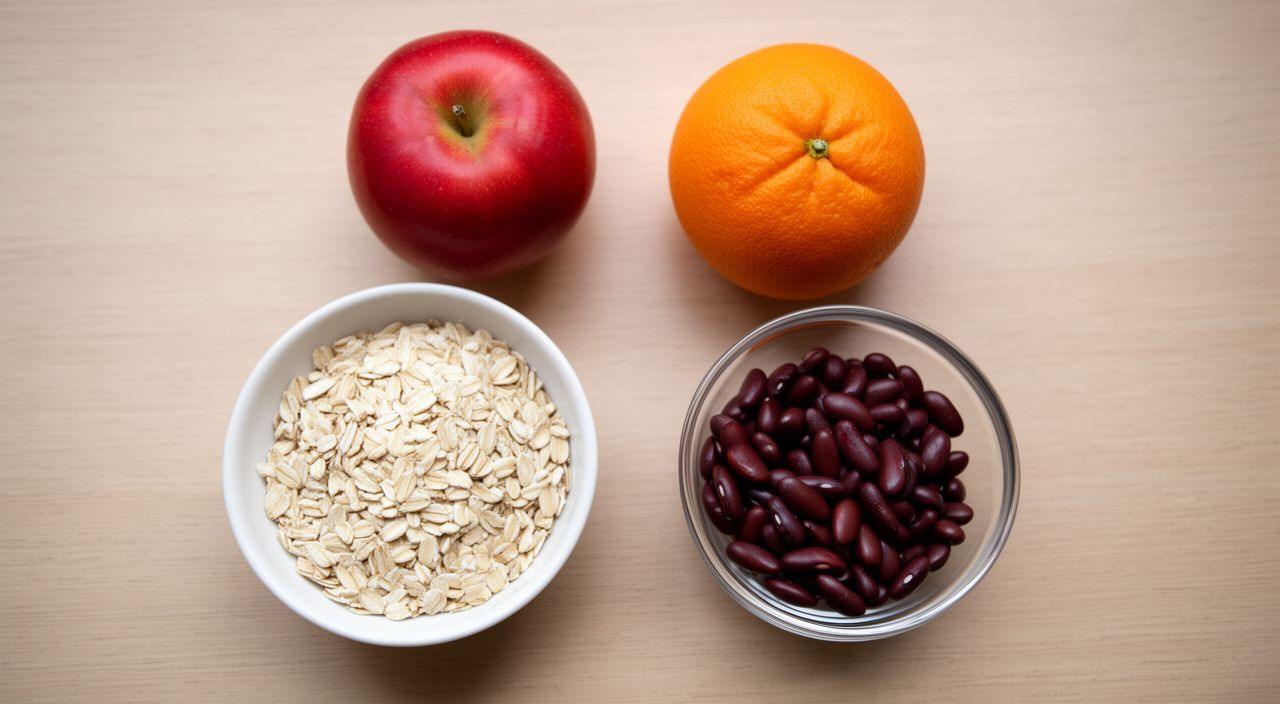
Not all sugar is created equal, and understanding the distinction is the first step toward better everyday eating. Naturally occurring sugars are found in whole, minimally processed foods like fresh fruit and plain dairy. These come packaged with fiber, vitamins, and minerals, which slow down digestion and lead to a steadier, more sustained blood sugar response.
Added sugars, on the other hand, are introduced during processing to enhance flavor, improve texture, or act as a preservative. Your body breaks all carbohydrates down into glucose and fructose for energy. While glucose is used by cells throughout your body, fructose is metabolized primarily in the liver. Because added sugars lack fiber, they are absorbed rapidly, which can cause quick spikes in blood sugar followed by crashes that leave you feeling tired and hungry.
The key takeaway is that you do not need to cut back on the natural sugars found in whole fruits and plain milk, but limiting added sugars is essential for your long-term wellbeing.
How Much Added Sugar Should You Actually Eat?
AI illustration · Peachy Healthy
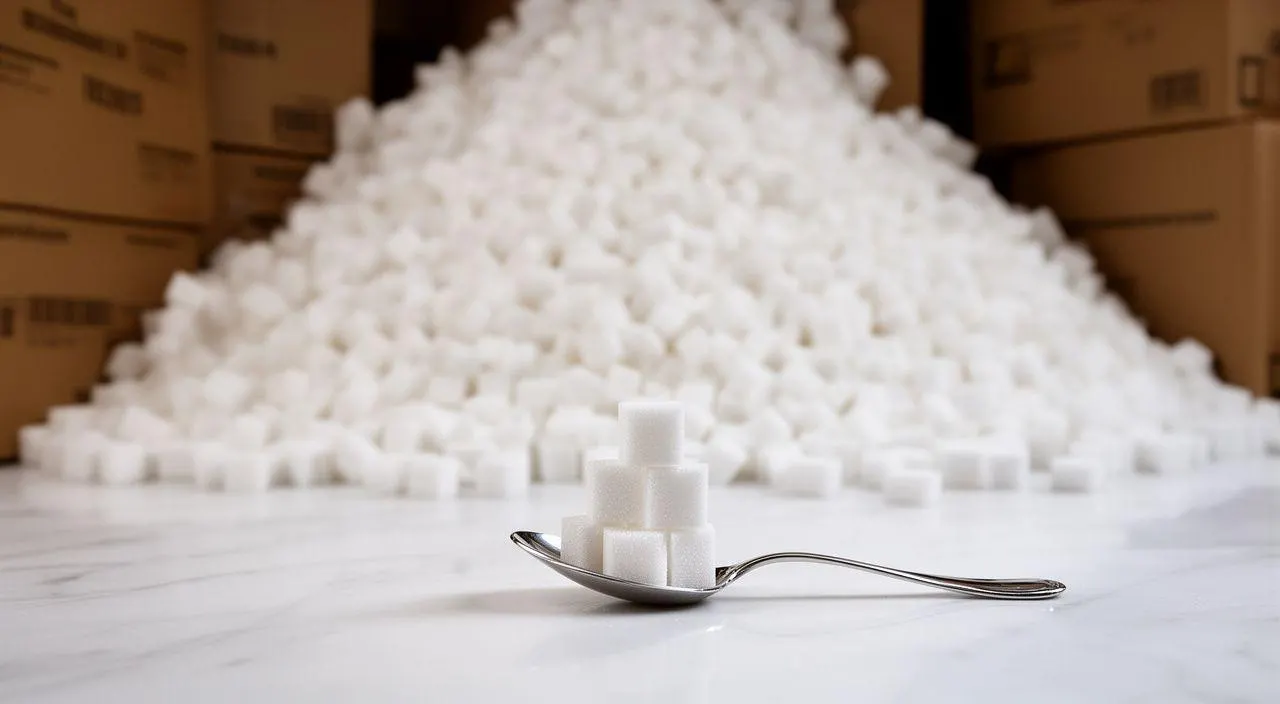
It is incredibly easy to overconsume sugar because the recommended daily limits are surprisingly low. The American Heart Association recommends that women limit added sugar to “25 grams (about six teaspoons) per day”, and men to 36 grams (about nine teaspoons).
To put that into perspective, the average American adult consumes around 77 grams of added sugar daily—more than triple the recommendation for women. As dietitians often point out, you are likely not adding that much sugar to your food yourself; it is already in the packaged foods you buy.
Globally, the World Health Organization (WHO) strongly recommends keeping "free sugars" (which includes added sugars plus honey, syrups, and unsweetened fruit juices) to less than 10% of your total daily energy intake. For additional health benefits, they suggest dropping below 5%, which is roughly 25 grams a day. Similarly, the NHS advises UK adults to consume no more than 30 grams of free sugars per day.
"We have solid evidence that keeping intake of free sugars to less than 10% of total energy intake reduces the risk of overweight, obesity and tooth decay." — World Health Organization
What Are the Most Common Sneaky Sources of Sugar?
You probably know to skip the cake, but sugar is frequently added to savory foods you might consider healthy. Manufacturers often add it to balance acidity, improve texture, or extend shelf life. Here is a look at how quickly hidden sugars can add up in everyday items:
| Food Item | Serving Size | Approximate Sugar Content |
|---|---|---|
| Ketchup | 1 tablespoon | 4 to 5 grams |
| Sweetened Breakfast Cereal | 1/2 cup | 32 to 40 grams |
| Sugar-Sweetened Soda | 12 oz can | Up to 40 grams |
| Barbeque Sauce | 2 tablespoons | High in hidden sugars |
Just one tablespoon of ketchup and a single can of soda can nearly max out your entire daily added sugar allowance. Other common culprits include flavored yogurts, granola bars, pasta sauces, and even some whole-grain breads.
How Can You Decode Food Labels to Spot Hidden Sugars?

AI illustration · Peachy Healthy
The best way to track your intake is by reading the Nutrition Facts label. Modern labels separate "Total Sugars" from "Added Sugars," making it much easier to see how much sugar was put in during processing. For example, a cup of plain milk contains about 12 grams of total sugar, but zero grams of added sugar because it is naturally occurring lactose. If you see a flavored milk with 25 grams of total sugar and 13 grams of added sugar, you know exactly how much was pumped in during processing.
Next, check the ingredient list. Ingredients are listed in order of content by weight. If a type of sugar is among the first two or three ingredients, it is a main component of the food.
Sugar goes by many aliases. UCSF SugarScience notes there are at least 61 different names for sugar on food labels. Look out for:
- Any words ending in "-ose" (like glucose, fructose, sucrose, maltose, dextrose).
- Syrups (corn syrup, brown rice syrup, high-fructose corn syrup).
- Nectars and concentrates (fruit juice concentrate, fruit nectar).
- Other natural-sounding sweeteners (honey, agave, molasses, cane sugar).
Also, watch for descriptive preparation words on the front of the package, such as "glazed," "candied," "caramelized," or "frosted," as these almost always indicate added sugars.
What Are the Real Health Risks of Eating Too Much Sugar?

AI illustration · Peachy Healthy
Consuming excess added sugar provides empty calories without nutritional benefits, which can contribute to unhealthy weight gain and make it difficult to meet your daily nutrient needs within your calorie limits.
One of the most well-documented and immediate risks is to your oral health. Harmful bacteria in the mouth feed on sugar, creating acids that break down tooth enamel and lead to cavities.
On a broader public health scale, the WHO highlights that high intakes of free sugars are strongly associated with an increased risk of dental caries and unhealthy weight gain. Furthermore, excess sugar consumption is linked to an increased risk of cardiovascular issues. By keeping your intake within the recommended limits, you support your overall metabolic and physical wellbeing. (Note: If you have specific metabolic concerns or medical conditions, always consult your doctor for personalized advice.)
What Are Simple Swaps to Reduce Your Daily Sugar Intake?
Cutting back does not mean you have to give up all your favorite foods. It is about making mindful swaps and gradually training your palate to appreciate less sweetness.
- Rethink your breakfast: Many breakfast cereals are sugar bombs. Look for options with 4 to 10 grams of sugar per serving, or switch to plain oatmeal topped with fresh fruit and a dash of cinnamon.
- Upgrade your yogurt: Switch to plain Greek yogurt and sweeten it yourself with berries or a tiny drizzle of honey. This gives you control over the exact amount of sugar you consume.
- Watch your condiments: Ketchup, barbeque sauce, and sweet pickle relish are loaded with hidden sugar. Try using mustard, salsa, hot sauce, or a squeeze of lemon for flavor instead.
- Drink water: Sugary drinks are the biggest source of added sugars for many people. If you need flavor, try zero-sugar varieties or infuse your water with slices of cucumber, mint, or citrus.
- Make your own trail mix: Store-bought mixes often contain chocolate or yogurt-covered pieces. Make your own with unsalted nuts, seeds, and a small handful of unsweetened dried fruit.
Frequently asked questions
What are the 7 hidden sugars?
While there are actually over 60 names for added sugar, some of the most common "hidden" aliases you will see on ingredient lists include high-fructose corn syrup, cane sugar, fruit juice concentrate, agave nectar, brown rice syrup, maltose, and dextrose. As a general rule, any ingredient ending in "-ose" is a form of sugar.
What foods secretly have sugar?
Sugar is frequently added to savory foods to balance acidity or enhance flavor. Common culprits include pasta sauces, ketchup, barbeque sauce, salad dressings, and even whole-grain or white breads. Always check the "Added Sugars" line on the nutrition label, even for foods that do not taste sweet.
What are the signs of too much sugar in your body?
Because added sugars are digested rapidly without fiber to slow them down, consuming too much can cause rapid spikes and crashes in your blood sugar. This often leaves you feeling tired, sluggish, and hungrier shortly after eating. Over time, a high-sugar diet also increases the risk of tooth decay, as oral bacteria feed on the sugar and produce enamel-eroding acids.
What flushes sugar out of the body?
There is no magic drink or food that "flushes" sugar out of your system. Your body naturally metabolizes carbohydrates into glucose to use for energy. The best way to manage blood sugar levels is to limit added sugars, stay hydrated with water, and eat a balanced diet rich in fiber, which slows down the absorption of sugar into your bloodstream.