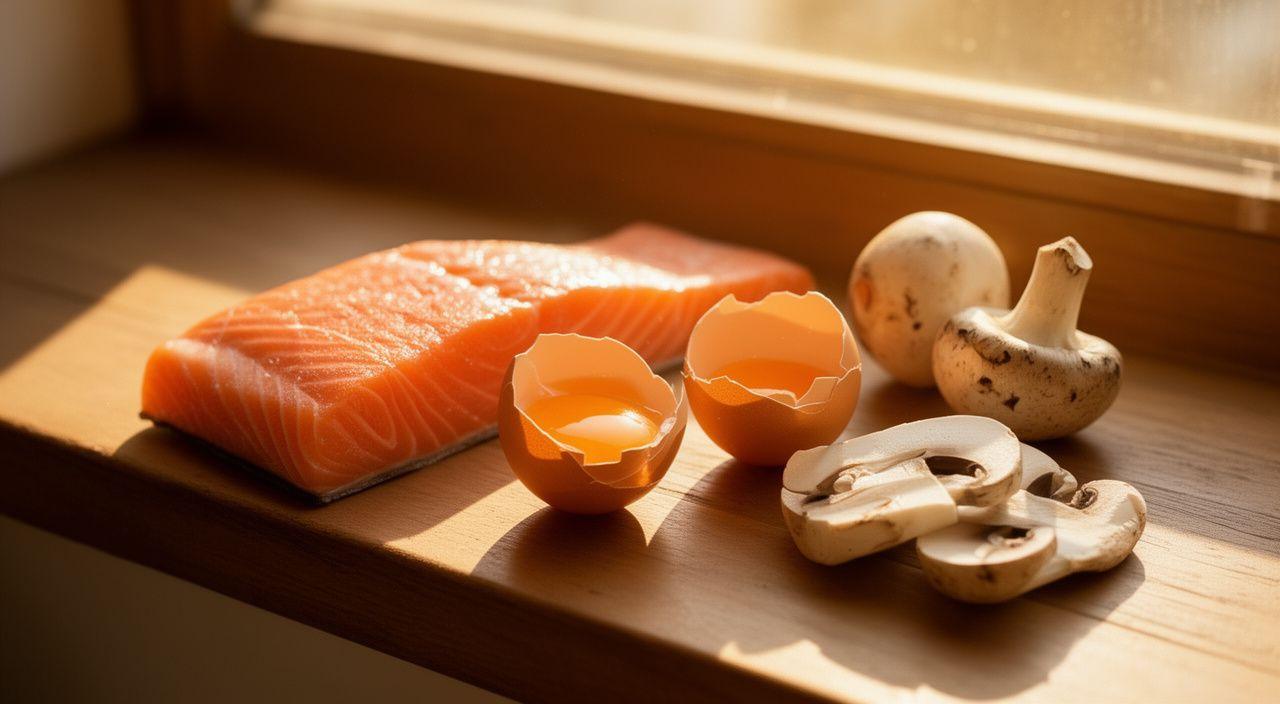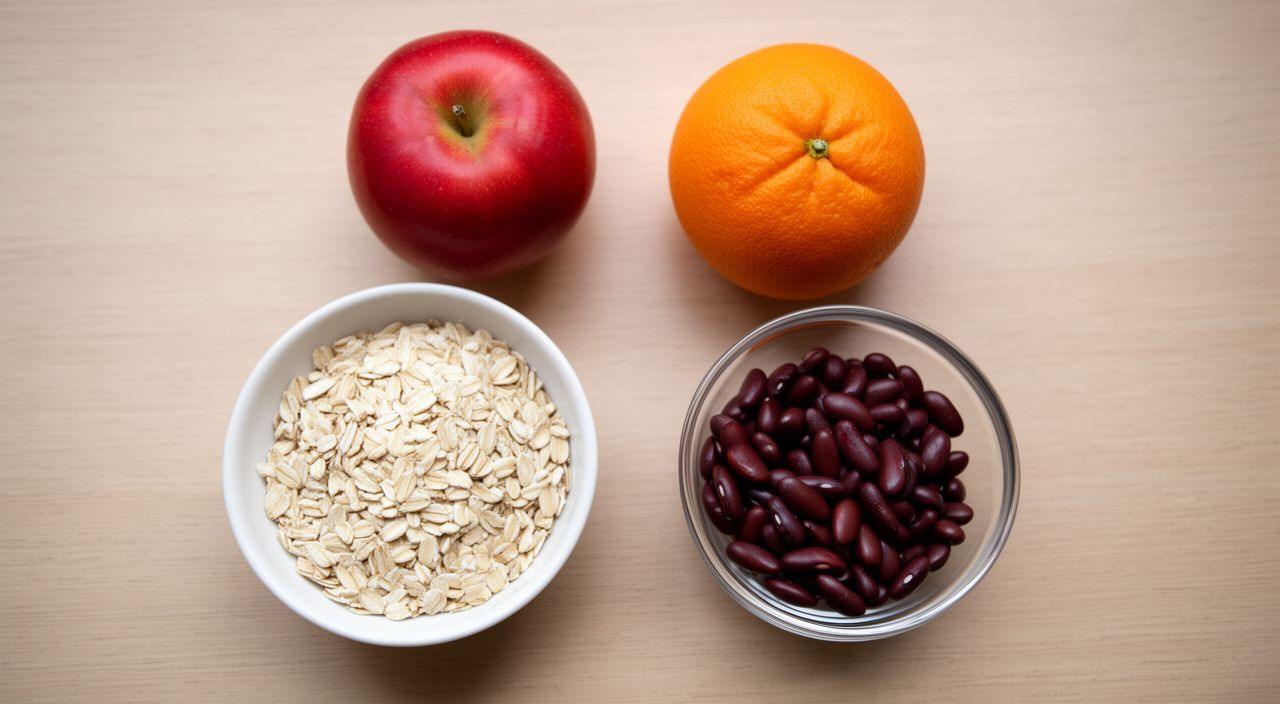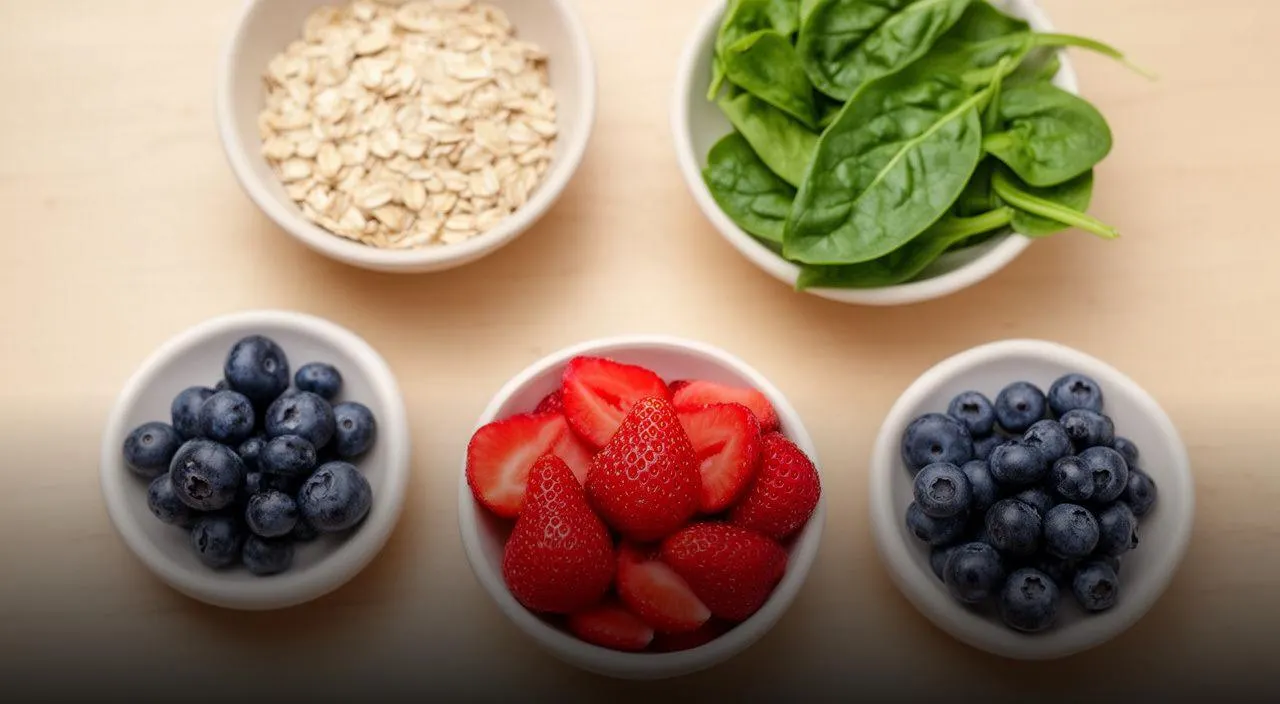
An anti-inflammatory diet isn’t a strict plan or a list of miracle foods. It’s an everyday way of eating built around vegetables, fruit, whole grains, beans, nuts, fish and olive oil, with fewer ultra-processed foods. This guide explains what chronic inflammation is, which foods and nutrients have the most research behind them, how the main eating patterns compare, and how to put a plate together without overthinking it.
What is chronic inflammation, and why does it matter?
Inflammation isn’t always the enemy. When you scrape your knee or catch a throat infection, the redness, swelling, heat and pain are signs of acute inflammation. It’s your immune system rushing to protect you and start the healing, and it usually settles down by itself.
Chronic inflammation is different. The immune response stays switched on at a low level, sometimes for months or years, even when there’s nothing to fight. Johns Hopkins Medicine lists it as a factor in obesity, metabolic syndrome, type 2 diabetes, heart disease, inflammatory bowel disease, arthritis, Alzheimer’s disease and some cancers.
Diet is only one of the drivers. Hopkins also names environmental toxins, lingering infections, aging and chronic stress, while poor sleep, smoking, heavy drinking and inactivity play a part too. Still, food is one of the things you can change every day.
How can food help calm inflammation?
"Many experimental studies have shown that components of foods or beverages may have anti-inflammatory effects," says Dr. Frank Hu, professor of nutrition and epidemiology at the Harvard School of Public Health.
A few mechanisms come up again and again:
- Antioxidants and polyphenols. Fruit and vegetables help the body deal with oxidative stress, which can trigger inflammation. Polyphenols are plant compounds found in brightly colored produce, tea, coffee and dark chocolate.
- Omega-3 fats. Johns Hopkins calls the omega-3s in fatty fish, nuts and seeds "powerful inflammation fighters".
- Fiber and gut bacteria. When gut bacteria ferment fiber, they produce short-chain fatty acids. Lab studies suggest these help the gut lining and calm inflammation, although the authors of that review note that convincing evidence in humans is still lacking.
The most important point is that no single food does the job. As Mayo Clinic Health System puts it, specific components in food work together, so it’s "the sum of what you eat every day" that counts.
Which nutrients should you know about?
| Nutrient | Good food sources | What it does |
|---|---|---|
| Omega-3 fats | Salmon, sardines, mackerel, tuna, walnuts, chia, flaxseed | Among the most studied anti-inflammatory fats |
| Polyphenols (including flavonoids) | Berries, apples, citrus, onions, tea, coffee, dark chocolate, soy | Plant compounds that protect against inflammation and oxidative stress |
| Vitamin C | Citrus fruit, bell peppers, berries | An antioxidant that helps limit cell wear and tear |
| Carotenoids | Carrots, sweet potato, pumpkin, tomatoes, leafy greens | Pigments with antioxidant activity; the body converts some into vitamin A |
| Fiber | Oats, barley, beans, lentils, fruit, vegetables | Feeds gut bacteria that make short-chain fatty acids |
| Unsaturated fats | Olive, canola and avocado oils, nuts, seeds | Healthier swaps for butter, lard and margarine |
| Probiotics | Yogurt, kefir, refrigerated sauerkraut with live cultures | Support a diverse, active gut microbiome |
Sources: Harvard Health, Johns Hopkins Medicine, Mayo Clinic Health System.
Which foods have the most research behind them?
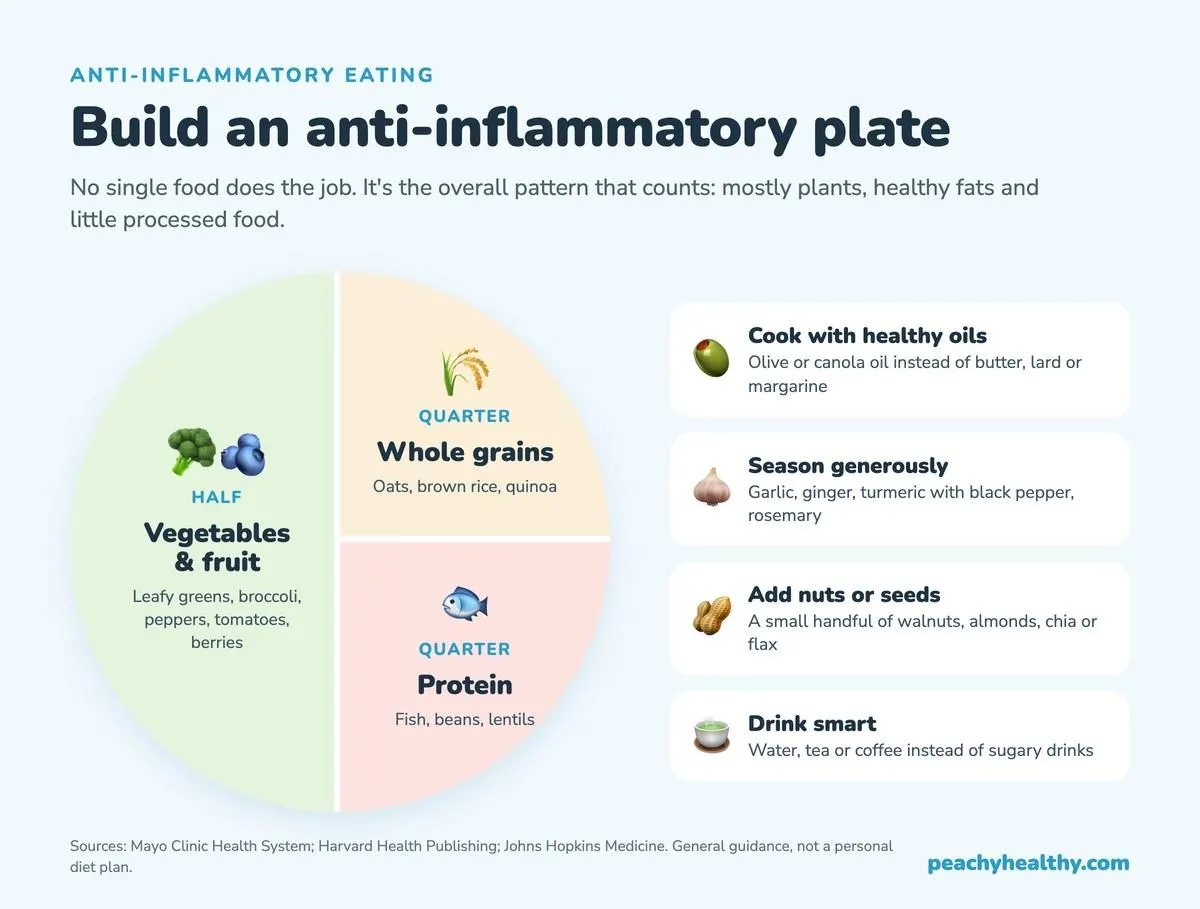
Rather than memorizing a long list, it helps to group foods by type. Most of the foods below appear on the lists from Harvard Health, Johns Hopkins and Mayo Clinic Health System.
- Berries and other fruit. Blueberries, strawberries, blackberries and cherries, plus apples, plums, grapes and citrus. A Veterans Affairs guide calls berries and cherries "especially good options" and suggests eating whole fruit rather than juice.
- Leafy greens and cruciferous vegetables. Spinach, kale, collards, Swiss chard and arugula, plus broccoli, cauliflower, cabbage and Brussels sprouts.
- Colorful vegetables. Tomatoes, sweet bell peppers, carrots, pumpkin, sweet potato, eggplant and purple cabbage. Different colors bring different plant compounds, so variety matters more than any single "superfood".
- Onions, garlic and beets. Onions and garlic are on Mayo’s list. Beets and leafy greens are rich in nitrate, which the body can turn into nitric oxide, a molecule that helps blood vessels relax.
- Fatty fish. Salmon, sardines, mackerel, herring and tuna. The VA guide suggests at least two servings a week.
- Healthy fats. Extra virgin olive oil, avocado, and nuts and seeds such as walnuts, almonds, chia, flax and hemp. Harvard notes that nuts have been linked to lower inflammation markers and a lower risk of heart disease and diabetes.
- Beans, lentils and whole grains. Lentils, chickpeas, beans, soy, oats, barley, quinoa and brown rice provide fiber and plant protein.
- Drinks and treats. Water, green and herbal teas, and coffee. Hopkins includes dark chocolate as a source of polyphenols; the VA guide suggests at least 70% cocoa. It’s still a treat, though, not a health food to eat in large amounts.
- Gut-friendly foods. Yogurt and kefir with live cultures, and prebiotic, fiber-rich foods such as asparagus, bananas and chicory.
Do turmeric, ginger and other spices really help?
Herbs and spices such as turmeric, ginger, garlic, rosemary, cinnamon and black pepper contain natural anti-inflammatory compounds, and they’re a great way to add flavor without salt or sugar. The evidence on concentrated doses is more mixed.
- Turmeric. Curcumin, turmeric’s main active compound, is poorly absorbed. In a small 1998 study, adding piperine (from black pepper) to a 2-gram dose of curcumin raised absorption about 20-fold. That’s far more curcumin than you’d get from cooking with turmeric. According to the US National Center for Complementary and Integrative Health, there isn’t enough evidence to say turmeric or curcumin is beneficial for any health purpose. It also warns that liver damage has been reported with some high-absorption supplements.
- Ginger. A 2020 review of 16 trials found that ginger supplements lowered the inflammation markers CRP and TNF-α. The results varied widely between studies, though, and the authors called for larger trials.
Using these spices generously in your cooking is a sensible, low-risk habit. Supplements are a different matter, so check with your doctor or pharmacist first, especially if you take blood thinners or other regular medicines.
How do different eating patterns compare?
There’s no official "anti-inflammatory diet". But Harvard Health and Johns Hopkins both point to Mediterranean-style eating as one of the best-supported approaches.
| Eating pattern | Core foods | What the research shows |
|---|---|---|
| Mediterranean | Olive oil, vegetables, fruit, whole grains, legumes, nuts, fish | A meta-analysis of 17 trials (about 2,300 adults, lasting at least 12 weeks) found that it lowered hs-CRP, a key inflammation marker, compared with control diets. |
| DASH | Fruit, vegetables, whole grains, low-fat dairy, beans, nuts | A meta-analysis of six trials found that it lowered hs-CRP compared with people’s usual diets. It wasn’t clearly better than other healthy diets, and the effect was larger in trials lasting eight weeks or more. |
| Typical Western | Ultra-processed snacks, refined carbs, red and processed meat, sugary drinks | Associated with higher inflammation. Processed and ultra-processed foods can raise the risk of chronic inflammation. |
The takeaway: the patterns that help most are similar to each other. They’re mostly plants, with healthy fats, plenty of fiber and little processed food.
Which foods are worth limiting?
Harvard Health and Johns Hopkins give very similar lists of foods to cut back on:
- Ultra-processed foods, such as ready meals, sugary cereals and packaged snacks
- Refined carbohydrates, such as white bread, white rice, pastries and white pasta
- Sugary drinks, such as soda, sweetened teas and sports drinks. Fruit juice is also best kept small
- Red meat and processed meats, such as bacon, sausages, hot dogs and deli meats
- Deep-fried foods, such as French fries, fried chicken and doughnuts
- Margarine, shortening, lard, and anything listing "partially hydrogenated" oils (trans fats)
Refined carbs are digested quickly and can spike blood sugar and insulin, which may trigger inflammation. How you cook matters too. Hopkins recommends baking, steaming or quick stir-frying over deep frying or charring meat on the grill.
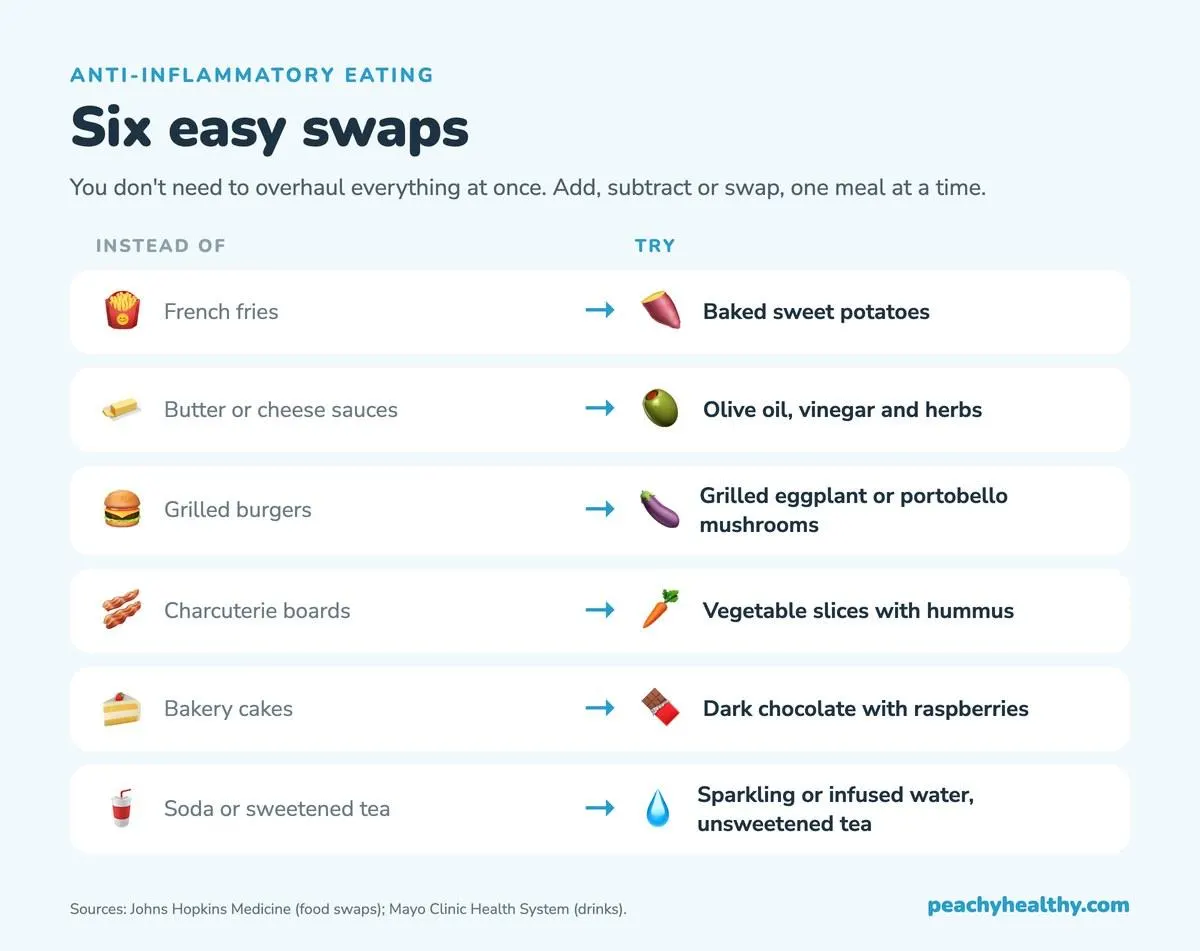
You don’t need to overhaul everything at once. Harvard suggests an "add, subtract, or swap" approach: add more plants, make the less healthy foods smaller and less frequent, and swap where you can. Hopkins’ swaps include:
- French fries → baked sweet potatoes
- Butter or cheese sauces → olive oil, vinegar and herbs
- Grilled burgers → grilled eggplant or portobello mushrooms
- Charcuterie boards → vegetable slices with hummus
- Bakery cakes → dark chocolate with raspberries
Does anything besides food make a difference?
Yes. Food works best alongside other habits. According to Harvard Health, it helps to:
- Stay active. Aerobic exercise such as brisk walking helps fight chronic inflammation.
- Sleep well. Poor sleep raises cortisol, which over time can feed inflammation.
- Manage stress, which also raises cortisol.
- Stop smoking, which is linked to higher inflammation markers such as CRP.
- Keep alcohol low. Less is better.
- Aim for a healthy weight, as belly fat in particular is linked to chronic inflammation.
Who should be more careful?
Some foods on anti-inflammatory lists don’t suit everyone. If you have IBS, foods such as beans, onions and cabbage can cause gas and bloating, and the NHS suggests going easy on fatty, spicy or processed food. If you have acid reflux, coffee, tomatoes, chocolate and spicy foods can trigger heartburn.
If you have a digestive condition, diabetes, kidney disease or an inflammatory condition such as rheumatoid arthritis, or you take regular medicines, talk to your doctor or a registered dietitian before making big changes or adding supplements. They can help you fit these ideas around your health.
Your printable anti-inflammatory checklist
- Half my plate at most meals is vegetables or fruit
- At least 3 servings of vegetables and 2 of fruit each day
- Ate berries, cherries or other deep-colored fruit at least 3 times this week
- Ate leafy greens or cruciferous vegetables (spinach, kale, broccoli, cabbage) most days
- Had fatty fish (salmon, sardines, mackerel) twice, or walnuts, chia or flax if I don’t eat fish
- Ate beans, lentils or chickpeas at least 3 times
- Chose whole grains (oats, brown rice, quinoa, whole-wheat bread) over white versions
- Cooked with olive or canola oil instead of butter, lard or margarine
- Added herbs and spices (garlic, ginger, turmeric with black pepper, rosemary) to meals
- Had a small handful of nuts or seeds most days
- Drank water, tea or coffee instead of sugary drinks
- Kept processed meat, fried food and pastries to once or twice this week
- Tried one new vegetable or fruit
- Moved for at least 30 minutes on most days
- Kept a regular sleep routine and wound down screens before bed
Frequently asked questions
What is the best anti-inflammatory food?
No single food stands out. Research consistently points to overall eating patterns, not individual foods, as what matters. That said, fatty fish, berries, leafy greens, nuts, olive oil, beans and whole grains appear on nearly every expert list. Eating a variety of them each week is the best bet.
What are the worst inflammatory foods to avoid?
Ultra-processed foods, refined carbohydrates, sugary drinks, red and processed meats, deep-fried foods and trans fats come up on Harvard’s and Hopkins’ lists. Eating less of them, and less often, helps. You don’t need to cut them out entirely.
What is a good anti-inflammatory breakfast?
Oatmeal or overnight oats topped with berries and a spoonful of nuts or seeds is an easy start. Both Mayo Clinic Health System and Harvard suggest it. Whole-grain toast with avocado and an egg cooked in olive oil works well too.
What drinks help reduce inflammation?
Water, green and herbal teas, and coffee are on Mayo Clinic Health System’s anti-inflammatory list. It suggests replacing sugary sodas, fruit drinks, sweetened teas and flavored coffees with sparkling or infused water, unsweetened tea and plain coffee.
Can an anti-inflammatory diet cure arthritis or other diseases?
No. Eating this way doesn’t cure arthritis or other chronic diseases. It has been "associated with lower risk of heart disease, diabetes, and some cancers," says Dr. Edward Giovannucci of the Harvard T.H. Chan School of Public Health. It may also help ease symptoms such as pain and stiffness. Keep following your treatment plan, and talk to your care team about diet changes.
How long does it take to see a difference?
In the trials above, changes in blood markers of inflammation appeared after about two to three months of steady eating changes. How you feel day to day varies from person to person. The aim is a lasting habit, not a quick fix.