Vitamin D deficiency symptoms often include persistent fatigue, bone pain, and muscle weakness, though many people experience no obvious signs at all. Restoring your levels involves a practical mix of safe sun exposure, vitamin-rich foods, and targeted supplements based on your individual risk factors. This guide breaks down how to spot the signs, understand your daily needs, and safely boost your levels.
What are the most common vitamin D deficiency symptoms?
The most common vitamin D deficiency symptoms include persistent fatigue, unexplained bone or muscle pain, and frequent illnesses. Because these signs are subtle and overlap with many other everyday health issues, a significant number of people remain unaware that their levels are actually low.
According to the Cleveland Clinic, vitamin D is essential for normal bone development, muscle function, and immune support. When levels drop, the body struggles to absorb calcium properly, which can lead to aching bones and reduced muscle strength. UnityPoint Health notes that low energy, joint pain, and a sour mood are frequent indicators of a shortfall.
Primary care doctor Mindy Lacey explains that while "most patients with vitamin D deficiency are asymptomatic," experiencing exhaustion, bone achiness, or mood changes indicates something may be abnormal (Nebraska Med). It is also worth noting the link between this vitamin and mental wellbeing. As Dr. Molly Ropte from UnityPoint Health points out, "It’s true people with depression are more likely to have a vitamin D deficiency. But it’s not always true everyone with depression should take a vitamin D supplement." If you are struggling with your mental health, a conversation with your doctor is the best starting point.
Who is at the highest risk of running low?

AI illustration · Peachy Healthy
People at the highest risk of vitamin D deficiency include older adults, individuals with darker skin tones, and those who spend most of their time indoors. Geographic location, dietary restrictions, and certain medical conditions that affect nutrient absorption also significantly increase your likelihood of running low.
The National Institutes of Health notes that older adults are at higher risk of low vitamin D, partly because the skin’s ability to make the vitamin from sunlight declines with age. People with darker skin have more melanin, which naturally reduces the skin’s ability to produce the vitamin from the sun.
The National Institutes of Health lists conditions that limit fat absorption, such as coeliac disease and Crohn’s disease, among the causes of low vitamin D, and notes that deficiency is more common in people who follow a vegan diet. Additionally, people living in northern latitudes during winter months receive insufficient ultraviolet light to trigger natural synthesis. Body composition plays a role, too; individuals with obesity may find their body fat binds to the vitamin, preventing it from circulating effectively in the blood.
How does your body make vitamin D from sunlight?
Your body naturally produces vitamin D when direct sunlight hits your skin and converts a form of cholesterol into the active vitamin. However, the amount you can make depends heavily on the time of day, your skin tone, and whether you are wearing sunscreen.
Yale Medicine dermatologist David J. Leffell explains that vitamin D receptor cells start a chain reaction converting cholesterol in the skin when exposed to ultraviolet B (UVB) rays (Yale Medicine). While spending a few minutes outside without sunscreen can help, the Endocrine Center warns that overexposure damages the skin, and sunscreen blocks the production process. Finding a balance is key, especially since the NHS notes that in the UK, sunlight is only strong enough to make vitamin D from about late March or early April to the end of September. Relying solely on the sun is rarely a practical year-round strategy for most people.
Which foods provide the best dietary sources?
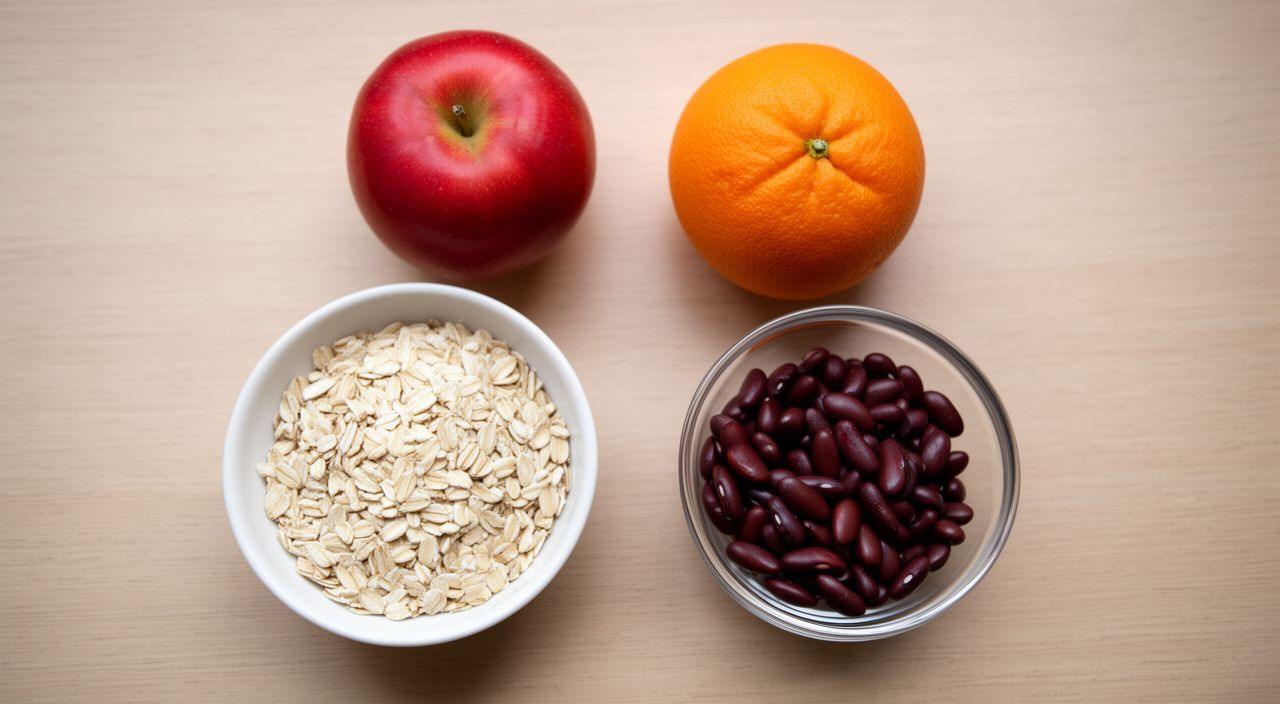
The best dietary sources of vitamin D are fatty fish like salmon and mackerel, egg yolks, and foods specifically fortified with the vitamin, such as certain milks and breakfast cereals. Naturally occurring vitamin D in food is quite rare, making fortified options and supplements crucial for many people.
There are two main types: D2 and D3. Yale Medicine notes that both occur naturally in foods like salmon, tuna, mackerel, beef liver, and egg yolks. Because we rarely eat enough of these daily, manufacturers fortify products like orange juice, almond milk, and oatmeal. Incorporating these into an anti-inflammatory foods guide routine can support overall health, though diet alone rarely provides enough to correct a clinical deficiency.
Historically, this dietary gap caused major public health issues. In the 19th and early 20th centuries, rickets was common among children in smoky industrial cities. In the United States, fortifying milk and other staples with vitamin D from the 1930s, along with cod liver oil, made it rare.
What are the safe daily limits for vitamin D supplements?

AI illustration · Peachy Healthy
Safe daily limits for vitamin D supplements generally range from 400 IU for infants to 800 IU for adults over 70, with an upper limit of 4,000 IU per day for most adults. Taking massive doses without medical supervision can lead to toxicity, making it essential to stick to guidelines.
The American Academy of Family Physicians notes that supplementation of 700 to 800 IU per day effectively reduces fracture and fall rates in older adults (AAFP). Because the vitamin is fat-soluble, your body stores the excess in your liver and adipose tissue, meaning taking too much over a long period can build up to harmful levels. Always check the nutrition label on your multivitamins to ensure you are not accidentally doubling up on your daily intake.
Here is a quick-reference breakdown of the daily recommended allowances based on current public health guidance:
| Age Group | Daily Recommended Allowance |
|---|---|
| Birth to 12 months | 400 IU |
| Children 1–13 years | 600 IU |
| Teens 14–18 years | 600 IU |
| Adults 19–70 years | 600 IU |
| Adults 71 years and older | 800 IU |
| Pregnant and breastfeeding women | 600 IU |
Data sourced from the National Institutes of Health.
How is a deficiency diagnosed and treated?
AI illustration · Peachy Healthy
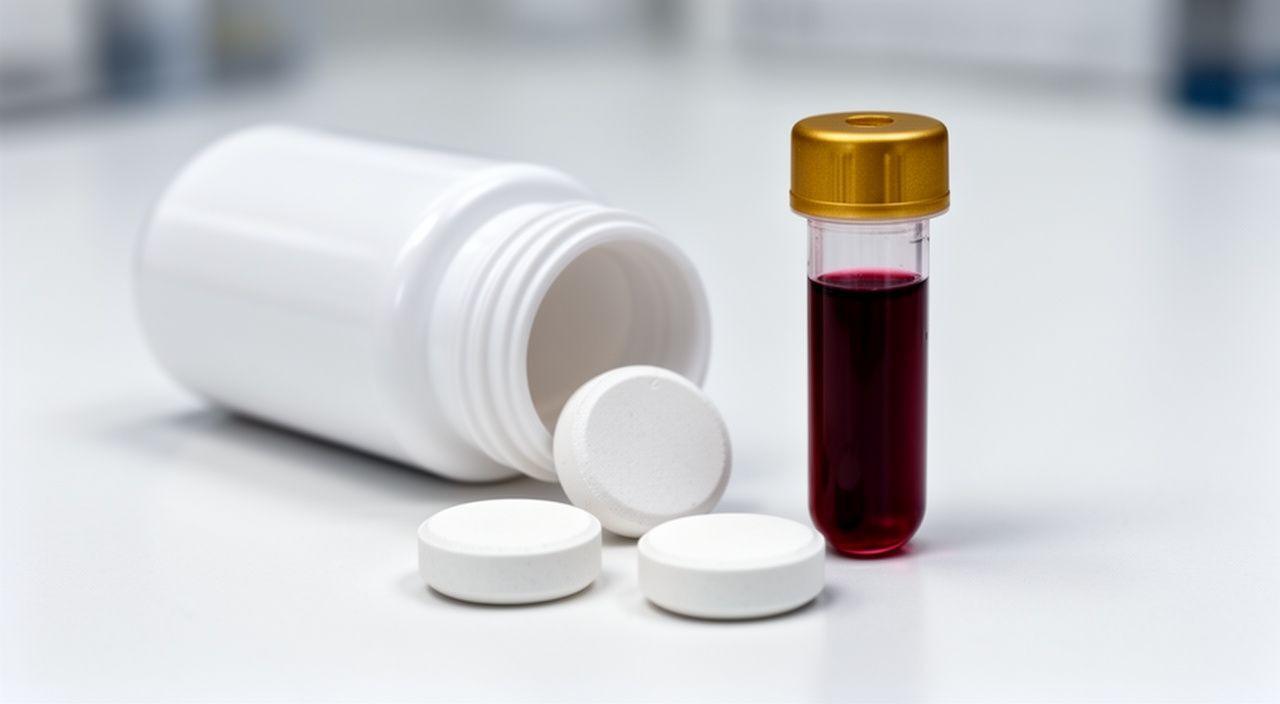
A vitamin D deficiency is diagnosed through a simple blood test measuring 25-hydroxyvitamin D levels, with deficiency typically defined as a level below 20 ng/mL. Treatment usually involves high-dose prescription supplements for a short period, followed by a lower daily maintenance dose to normalize levels safely.
Yale Medicine endocrinologist Karl Insogna states that a level between 20-50 ng/mL allows for adequate musculoskeletal health, and there is no measurable benefit when levels exceed 50 ng/mL (Yale Medicine). If you suspect you are low, adding a preventive health check-up to your routine is the best way to get tested.
When a clinical deficiency is confirmed, treatment often starts with a high dose, such as 50,000 IU weekly for eight weeks, before dropping to a maintenance dose of 800 to 1,000 IU daily (AAFP). This is a medical treatment plan, so it should only be followed under a doctor’s supervision.
Practical Takeaway for Everyday Health
If you want to protect your bone and muscle health without overcomplicating your routine, focus on these three actionable steps:
- Check your diet: Aim to eat fatty fish like salmon or trout at least twice a week, and check the labels on your plant milks and cereals for fortification.
- Get safe sun exposure: Spend 10 to 15 minutes outside during the summer months without sunscreen, but always protect your skin from burning.
- Test, don’t guess: If you are constantly tired or experiencing unexplained muscle aches, ask your doctor for a 25-hydroxyvitamin D blood test before starting high-dose supplements.
Frequently asked questions
What happens when your vitamin D is low?
When your vitamin D is low, your body struggles to absorb calcium, which can lead to bone pain, muscle weakness, and a higher risk of fractures. You may also experience persistent fatigue, frequent illnesses, and mood changes. Over time, severe deficiency can cause osteomalacia, a condition that softens the bones.
How to increase vitamin D quickly?
The fastest way to increase vitamin D levels is through targeted supplementation prescribed by a doctor, often involving a high-dose weekly regimen for a few weeks. Dietary changes and safe sun exposure support long-term maintenance, but they rarely raise levels quickly enough to correct a clinical deficiency on their own.
What are 5 signs of vitamin D deficiency to not ignore?
Five signs of vitamin D deficiency to not ignore include persistent fatigue, unexplained bone or back pain, frequent muscle weakness or cramps, getting sick more often than usual, and unexplained mood changes or feelings of sadness. Because these symptoms are subtle, a blood test is the only way to confirm them.
Should I just take a supplement without getting tested?
While a standard daily multivitamin is generally safe for most people, you should not take high-dose supplements without getting tested first. Because vitamin D is fat-soluble, taking excessive amounts without a diagnosed deficiency can lead to toxicity. A simple blood test ensures you take exactly what your body needs.