Start strength training over 40 by lifting weights or using resistance bands two to three times a week, focusing on compound movements like squats and rows to counter natural muscle loss. This guide covers why muscle matters in midlife, a simple weekly plan for home or gym, and how to prioritize recovery and joint safety.
Why does muscle loss accelerate after 40?
Adults typically lose about 3 to 8 percent of their muscle mass per decade after age 30, a process called sarcopenia that speeds up later in life. Resistance training is the only proven stimulus to directly reverse this loss, protect your bones, and maintain a healthy resting metabolism.
This decline is closely tied to hormonal shifts. In women, the drop in estrogen during perimenopause and menopause accelerates both muscle loss and bone density reduction. In men, gradual decreases in testosterone similarly affect muscle repair and overall metabolic health. Without intervention, this leads to a slower metabolism, making the diet that kept you steady at 35 much less effective at 45.
Fortunately, lifting weights directly counters these changes. The NIH Osteoporosis and Related Bone Diseases program identifies weight-bearing and resistance training as the primary lifestyle interventions for maintaining bone density in midlife. By challenging your muscles, you also stimulate bone remodeling, keeping your skeleton strong and resilient against everyday stress.
How often should you lift weights over 40?
AI illustration · Peachy Healthy
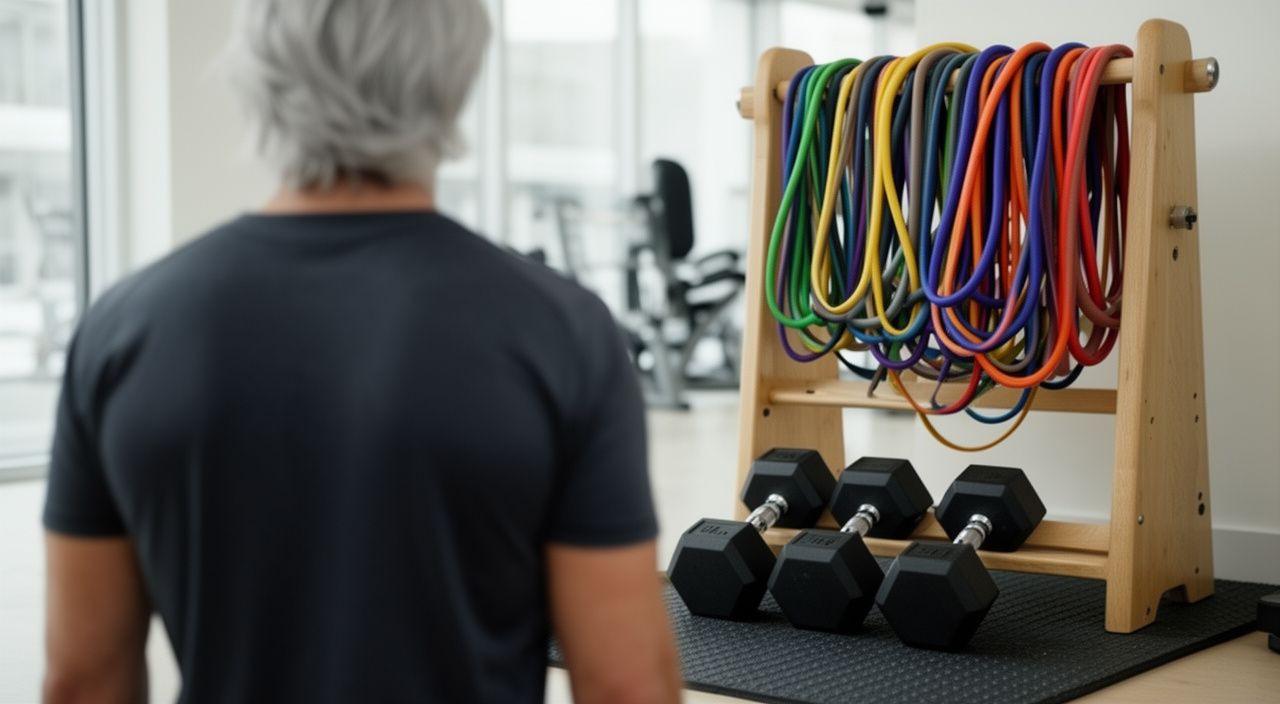
Adults over 40 should perform muscle-strengthening activities on two or more days a week, targeting all major muscle groups alongside 150 minutes of moderate aerobic activity. Spreading this workload across two or three shorter sessions prevents joint fatigue and allows adequate recovery time for muscle repair.
The CDC physical activity guidelines recommend combining strength work with aerobic exercise for comprehensive health. If you are wondering how to balance your cardio, our guide on HIIT vs LISS breaks down which intensity levels best complement your lifting days without causing burnout.
Training two or three times a week allows you to spread your exercises across multiple days rather than exhausting yourself in a single marathon session. This frequency gives you more opportunities to practice everyday movements—like squatting to sit in a chair or pulling open a heavy door—with good technique. It also manages fatigue, which is especially helpful for adults returning to exercise or managing joint limitations.
What are the best beginner exercises for midlife?
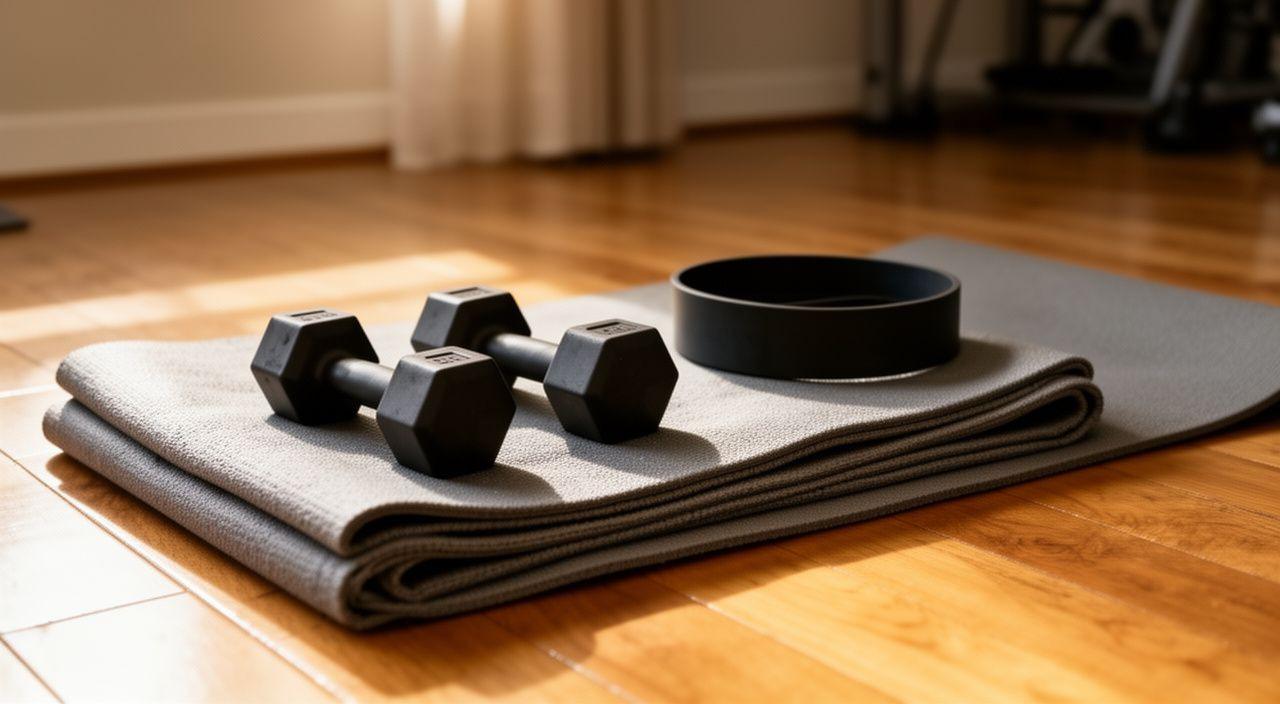
The best beginner exercises for midlife focus on functional, compound movements that work multiple muscle groups simultaneously, such as goblet squats, dumbbell rows, and glute bridges. These exercises mimic everyday actions like carrying groceries or standing up from a chair, building practical strength while protecting your joints.
When starting out, focus on these five foundational lifts:
- Goblet Squat: Builds leg and core strength by holding a single weight at chest height, which naturally encourages an upright torso and protects the lower back.
- Romanian Deadlift: Targets the hamstrings and glutes, crucial for hip health and preventing lower back pain.
- Dumbbell Row: Strengthens the upper back and improves posture, counteracting the forward slump of desk work.
- Glute Bridge: Isolates the glutes safely on the floor, taking pressure off the knees and spine.
- Overhead Press: Builds shoulder stability and core control using light to moderate dumbbells.
Using free weights like dumbbells is often preferable to barbells for beginners over 40. Dumbbells allow each arm to move independently, letting your joints travel through a natural, comfortable range of motion while preventing muscle imbalances.
How do you build a simple weekly workout plan?
AI illustration · Peachy Healthy
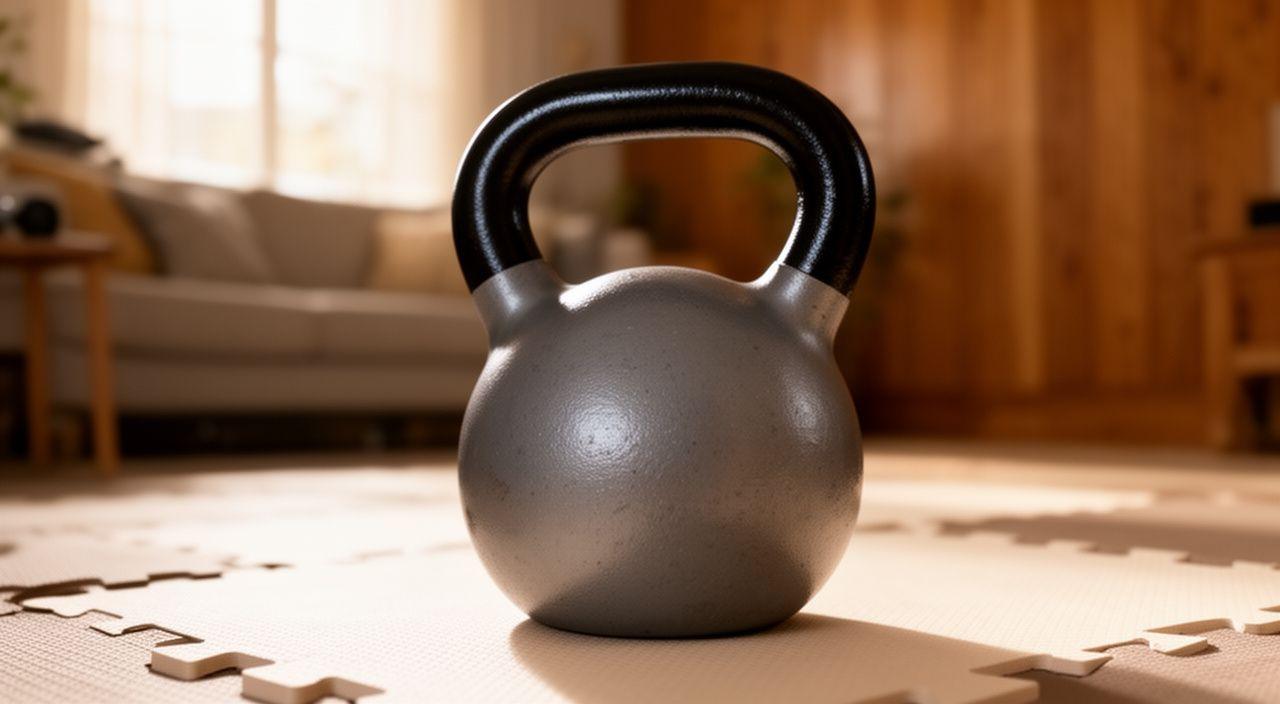
A simple weekly workout plan for beginners over 40 involves two to three full-body sessions per week, alternating between dumbbell, kettlebell, or resistance band routines with at least one rest day between each. Each session should include a brief warm-up, 20 to 30 minutes of compound lifts, and a cool-down stretch.
Here is a straightforward structure you can use at home or in the gym:
- Warm-Up (5 minutes): March in place, arm circles, bodyweight squats, and cat-cow stretches to lubricate the joints.
- Main Circuit (20 minutes): Perform 2 to 3 rounds of goblet squats, dumbbell rows, glute bridges, and overhead presses. Work for 40 seconds per exercise, rest for 20 seconds, and take 1 to 2 minutes between rounds.
- Cool-Down (5 minutes): Forward folds, quad stretches, and deep breathing to lower your heart rate.
To help you decide where to train, here is a comparison of equipment options for midlife beginners:
| Equipment Type | Home Option | Gym Option | Joint Impact |
|---|---|---|---|
| Dumbbells | Adjustable dial dumbbells | Fixed-weight rack | Low (allows natural joint path) |
| Kettlebells | Single medium-weight bell | Various sizes available | Moderate (requires good form) |
| Resistance Bands | Loop bands and long handled bands | Usually not provided | Very Low (accommodating tension) |
| Cable Machines | Not applicable | Selectorized cable towers | Low (smooth, guided resistance) |
What role does nutrition and recovery play in midlife fitness?
AI illustration · Peachy Healthy
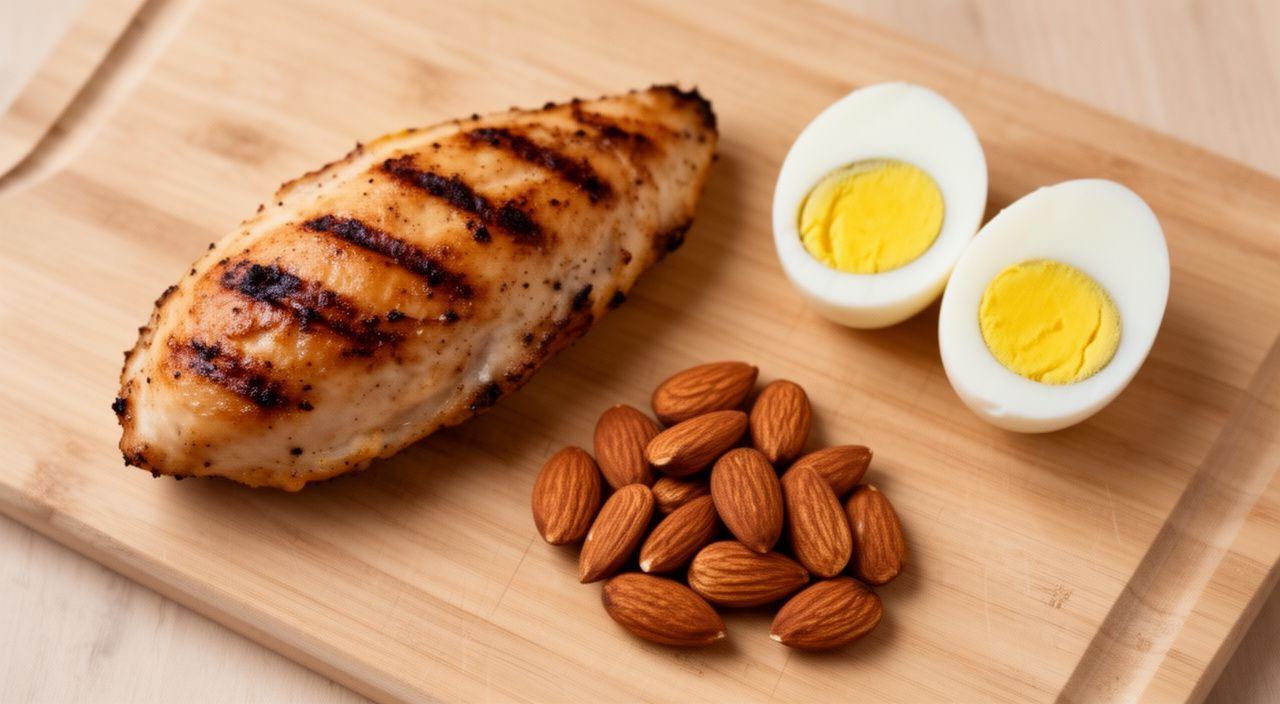
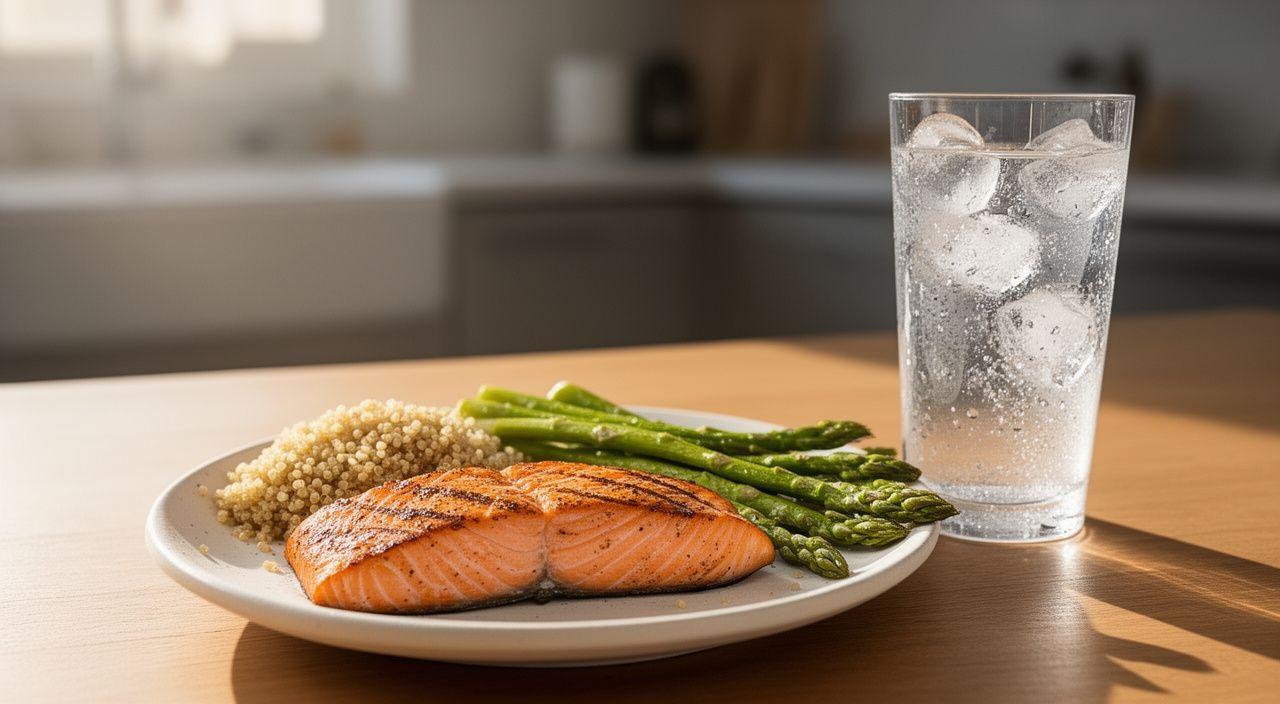
Nutrition and recovery are just as critical as the workout itself for adults over 40, requiring adequate protein intake to repair muscle tissue and prioritized sleep to manage hormonal shifts. Hydration and targeted carbohydrates also support joint health and sustain energy levels throughout your training sessions.
Protein is essential for maintaining and building lean mass as you age. A practical target for most people on a strength program is about 1.2 to 1.6 grams per kilogram of body weight a day (roughly 0.55 to 0.75 grams per pound), spread across meals. Pairing this protein with high-quality carbohydrates and healthy fats helps improve satiety and stabilizes blood sugar, which is vital for managing midlife metabolic changes. For more detailed meal planning, check out our guide on how to build muscle at home.
Recovery is where the actual muscle building happens. You do not recover like you used to, meaning sleep must be prioritized as if it were part of your training plan. Aim for 7 to 9 hours of quality sleep per night to regulate cortisol and support tissue repair. Simple hydration also matters; a practical guideline is to take your body weight in pounds, multiply it by 0.6, and drink that number in ounces of fluid daily.
How can you prevent injuries and protect your joints?
Preventing injuries and protecting your joints after 40 requires prioritizing controlled form over heavy weights, completing a thorough warm-up before every session, and listening to your body’s recovery signals. Using adjustable dumbbells or resistance bands allows your joints to move through a natural range of motion without the fixed path of a barbell.
Joint health becomes non-negotiable in your 40s. Years of repetitive movement or prolonged inactivity can show up as stiffness in the shoulders, knees, and hips. Always bring your joints through their full range of motion with a light weight to strengthen both muscles and connective tissue before adding load. Skip the ego lifting; progress comes from consistent, controlled repetitions, not from straining under a weight that compromises your form.
If you are managing any preexisting health conditions, experiencing persistent joint pain, or taking medications that affect your balance or energy, it is strongly recommended that you consult with your physician before starting a new training program. A healthcare professional can offer personalized advice tailored to your unique medical history and ensure your fitness journey is both safe and effective.
Frequently asked questions
Can you build strength after 40?
Yes, research shows resistance training can help adults add lean muscle mass even after menopause or midlife hormonal shifts. While progress might come slightly slower than in your twenties, consistency with progressive overload ensures you continue to build strength and improve your overall metabolic health.
How often should a 40 year old woman lift weights?
A 40-year-old woman should aim to lift weights two to three times per week on non-consecutive days. This leaves about 48 hours of recovery between sessions for the same muscle groups, the usual recommendation for letting muscles repair.
What is a good weightlifting routine for a 40-year-old?
A good weightlifting routine for a 40-year-old focuses on full-body compound movements like squats, rows, and presses. Performing two to three sets of eight to twelve repetitions with a moderate weight builds functional strength without placing excessive stress on your joints.
Your Midlife Strength Checklist
- Schedule 2 to 3 full-body strength sessions this week, leaving a rest day between each.
- Prioritize a 5-minute dynamic warm-up before every workout to protect your joints.
- Focus on compound movements (squats, rows, presses) rather than isolated machine exercises.
- Ensure you are hitting your daily protein and hydration targets to support muscle repair.
- Book a check-up with your doctor if you have any underlying health concerns before lifting heavy.
Related articles